When Does The Glock Ban Go Into Effect – Latest Updates Explained
The California Glock ban takes effect on July 1, 2026. After that date, all sales and transfers of certain semi-automatic Glock pistols with machine-gun conversion features will be stopped.
If you already own an affected Glock purchased before January 1, 2026, you can keep it. But you won’t be able to sell or transfer it once the ban starts.
Manufacturers will need to modify their models by January 1, 2027, to stay compliant without needing extra testing.
For more details on which models are affected, the penalties involved, and the legal challenges, keep exploring.
When Does the California Glock Ban Take Effect?
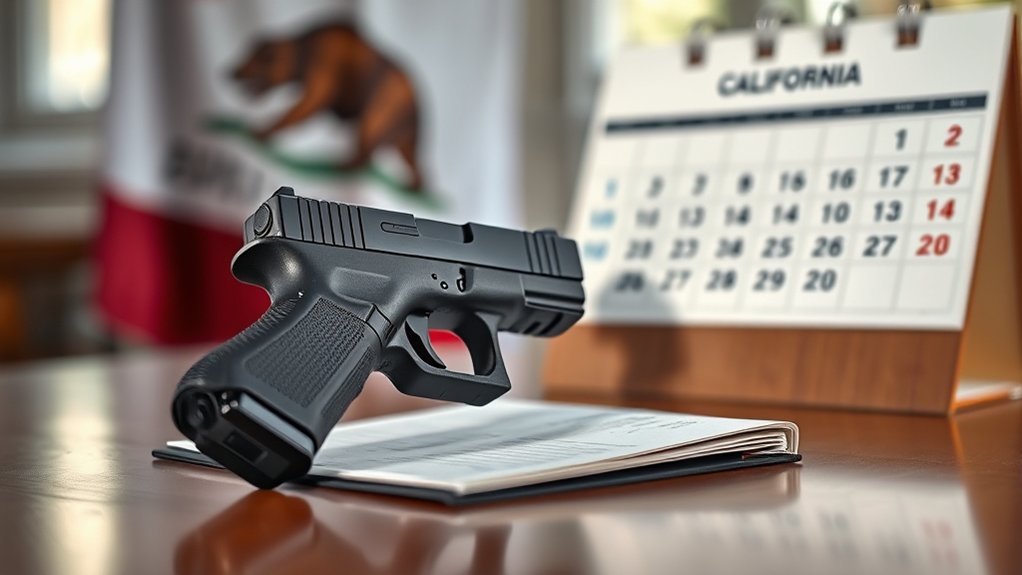
Although the California Glock ban doesn’t take effect until July 1, 2026, it will impact the sale and transfer of certain Glock pistols starting on that date.
Under this law, the ban applies only to the sale of new Glock and similar semi-automatic pistols after July 1, 2026. If you already own a Glock purchased before January 1, 2026, you can keep it. However, once the ban is active, you won’t be legally able to sell or transfer it within California.
Existing Glocks owned before 2026 can be kept but not sold or transferred after the ban starts.
Manufacturers have until January 1, 2027, to modify Glock models so they comply with the law without needing additional testing.
The law specifically targets semi-automatic pistols with features that could enable machine-gun conversion.
This move aligns with California’s broader efforts to regulate firearms more strictly.
Which Glock Models and Sales Does the Ban Impact?
So, here’s the deal: the ban mainly targets certain semi-automatic Glock pistols that have specific design features making them easy to convert into fully automatic guns.
Starting July 1, 2026, you won’t be able to buy these affected Glocks or their clones from licensed dealers in California.
But don’t worry, private sales of used Glocks are still legal, so you can still buy or sell them privately if you want.
Also, Glock and other manufacturers have until January 1, 2027, to make the necessary modifications to their models so they can stay compliant with the new law.
Affected Glock Models
Because the ban specifically targets semi-automatic Glock pistols equipped with cruciform trigger bars, it impacts all models featuring this design sold in California starting July 1, 2026.
This includes popular Glock models that can be easily converted to fully automatic firearms using a Glock switch or similar conversion devices. The law prohibits the sale of new Glock pistols and clones with these trigger bars.
Its goal is to reduce the risk of unauthorized automatic conversions.
Existing owners may keep pistols purchased before January 1, 2026. However, they can’t legally transfer or sell them in California after the ban starts.
Manufacturers have until January 1, 2027, to produce compliant models without cruciform trigger bars. This way, they can continue to sell pistols in California without needing extra testing.
Sales Restrictions Timeline
When the Glock ban takes effect on July 1, 2026, licensed dealers will no longer be able to sell new semi-automatic Glock handguns and clones equipped with cruciform trigger bars in California.
The sales restrictions mainly target models considered “machine-gun convertible.” If you’ve bought a Glock before January 1, 2026, you get to keep it. The ban doesn’t affect ownership of Glocks purchased before that date.
Starting July 1, 2026, new sales from licensed dealers will be prohibited. Manufacturers have until January 1, 2027, to modify Glock models to meet the new law without needing extra testing.
Private sales of used Glocks can still happen legally. Law enforcement officers are also exempt from these sales restrictions.
This timeline helps clarify when and how the Glock sales restrictions will impact ownership and purchases in California.
How Does the Glock Ban Affect Current Owners and Private Sales?
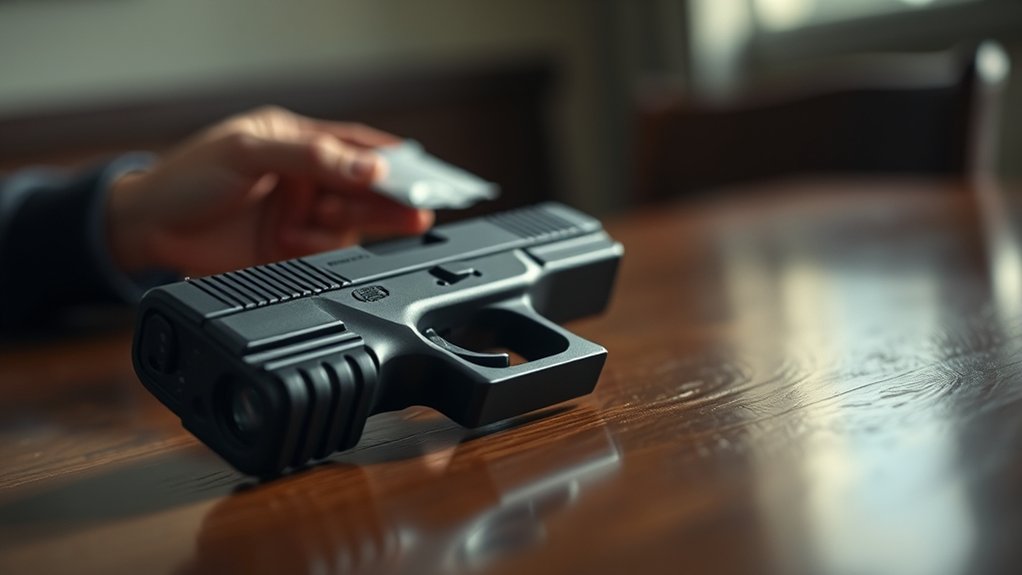
You’ll still be able to keep any Glock you bought before January 1, 2026. So, if you already own one, it’s yours to keep and use.
However, after the ban kicks in in July 2026, you won’t be able to buy any new Glocks.
But here’s some good news—private sales of used Glocks will still be allowed under California law. That means you can transfer your Glock to someone else privately, just like before.
Basically, your current ownership rights stay in place, and you can continue making private transfers without any new restrictions.
Ownership Rights Retained
Although the Glock ban restricts new sales from licensed dealers starting January 1, 2026, current owners can keep firearms purchased before that date without worrying about confiscation.
Under California laws, your ownership rights stay intact despite the Glock ban. You can lawfully keep any Glock bought before the ban’s effective date.
Private sales of used Glocks are still legal within the state.
It’s important to know that possessing a “pistol converter” or Glock switch for automatic conversion is illegal and considered a felony.
Manufacturers may modify existing Glock models to meet the law’s requirements until January 1, 2027.
This setup ensures that even though new Glock sales are limited, your existing ownership rights are protected under current California laws.
Private Transfers Allowed
Since the Glock ban takes effect in July 2026, current owners can still legally keep their firearms purchased before January 1, 2026.
However, they can’t sell or transfer them after that date. Private sales of used Glocks remain legal only if the transfer happens before the law’s effective date.
This means you need to complete any private sales or transfers before July 2026 to stay compliant. The ban mainly restricts new Glock sales through licensed dealers from that point forward.
It doesn’t affect existing ownership until a transfer takes place after the deadline. Also, possessing “pistol converters” or modifying Glocks into automatic firearms is illegal regardless of ownership.
What Design Changes Must Glock Make to Comply With the Ban?
To comply with the ban, Glock must redesign key components, such as removing the cruciform trigger bars that enable conversion to automatic fire. These design changes are meant to prevent the installation or use of “Glock switches” that allow for automatic firing capabilities.
Specifically, you’ll see these modifications:
- Elimination or alteration of parts facilitating conversion switches.
- Modification of existing models before January 1, 2027, to avoid additional testing.
- Submission of redesigned models for testing and inclusion on California’s handgun roster.
- Ensuring all new models sold fully comply with the ban’s technical standards.
What Penalties Do Dealers Face for Violating the Glock Ban?
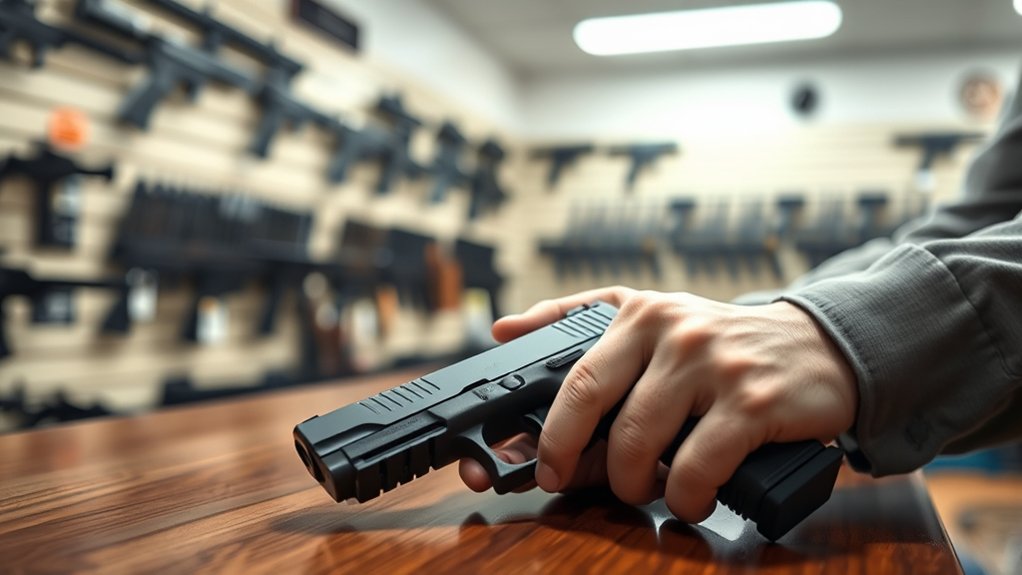
When dealers violate the Glock ban, they risk facing fines of up to $1,000 for each violation.
They can also face misdemeanor or felony charges depending on how serious the offense is. These penalties are meant to ensure that dealers follow the rules and prevent illegal sales of Glock models that could be turned into automatic weapons.
Aside from fines and criminal charges, dealers might also lose their licenses. The law requires regular inspections and testing to make sure dealers are sticking to the ban.
If a violation occurs, immediate legal action can be taken.
If you’re a dealer, it’s really important to understand these penalties. Staying compliant helps you keep your license and avoid serious legal trouble related to Glock ban violations.
How Are Gun Advocacy Groups Responding to the New Law?
Although the new law aims to restrict certain Glock models, gun advocacy groups are pushing back hard. They’re gearing up for legal challenges, arguing that the legislation violates constitutional rights.
Gun Owners of California, for example, are raising constitutional concerns and planning to take the case to federal court. The Firearms Policy Coalition is also preparing legal action, claiming the law infringes on Second Amendment rights.
Gun Owners of California and Firearms Policy Coalition are challenging the law, citing Second Amendment violations.
They argue that this law is government overreach. It threatens lawful gun ownership and could set a concerning precedent.
Advocates also point out that Glock has redesigned newer models to be incompatible with switches, which counters some of the legal claims against the firearms.
What Legal Challenges Could Delay or Overturn the Glock Ban?
Since several firearms advocacy groups and the NRA have already voiced strong opposition, you can expect multiple legal challenges to target the Glock ban’s constitutionality.
These challenges will likely argue that the ban infringes on Second Amendment rights. They might also question whether the law unfairly singles out specific firearm models without enough justification.
Past court rulings blocking similar gun laws, like California’s ammunition background check, show there could be hurdles ahead. These rulings highlight the possibility of delays or even overturning the ban.
Additionally, the law’s focus on design features is a concern. Because manufacturers can easily modify these features, enforcing the ban could become complicated.
Ongoing lawsuits and injunctions might temporarily stop or slow down the ban’s implementation. This could happen beyond the scheduled July 2026 effective date.
All these factors make the legal landscape pretty complex and uncertain.
Frequently Asked Questions
Can I Still Purchase Glock Accessories After the Ban?
You can’t purchase new Glock accessories that enable automatic fire conversions after the ban.
However, accessories like standard grips, sights, and magazines are still legal if bought before the ban went into effect.
Compatibility with your Glock model might vary, so it’s a good idea to double-check each modification’s legality before making a purchase.
Aftermarket modifications designed for conversion aren’t legal anymore.
But, you can still buy and sell used standard accessories privately, so there’s some flexibility in what you can get.
Will the Ban Affect Glock Ammunition Sales?
You know what they say: don’t throw the baby out with the bathwater.
The ban won’t affect Glock ammunition sales, so you can still buy ammo without worry. While some might consider stockpiling in response, firearm safety should always come first.
Legal challenges are focused on specific Glock models, not the ammunition itself. So unless the ammo is linked to illegal activity, sales will continue legally.
In short, the new restrictions don’t impact how you can buy or sell Glock ammunition.
Are There Any Exemptions for Law Enforcement Officers?
Yes, law enforcement exemptions allow officers to continue carrying and purchasing Glocks without restrictions. Your officer carry rights stay intact, so you can keep your standard equipment during duty.
Enforcement procedures specifically exclude police agencies and officers acting officially. That means you won’t face legal issues for possession or acquisition of these firearms.
These exemptions are in place to help maintain law enforcement effectiveness. They also ensure that officers can perform their duties without unnecessary restrictions.
It’s important to stay updated on any procedural changes that could affect these rights.
How Will the Ban Impact Glock Repair Services?
You’ll see the Glock ban reshape the repair industry by tightening firearm regulations on Glock safety features. Repair shops might face new licensing rules and legal limits when servicing non-compliant Glocks.
This could reduce the number of repair options available.
You’ll need to stay on top of changes in parts availability and increased demand for disabling convertible components. Regulations are now focusing on preventing illegal modifications.
Staying updated on these evolving laws will be essential for both owners and professionals in the repair industry.
What Alternatives to Glock Pistols Are Recommended Post-Ban?
You’ll find alternative handgun options like the Sig Sauer P365-XMacro and Smith & Wesson M&P Shield are top concealed carry choices post-ban. Compact pistol models without convertible features are becoming more popular because manufacturers are redesigning to meet restrictions.
Revolvers and shotguns are also gaining popularity since they aren’t affected by semi-automatic pistol bans. These options can be a good choice if you’re looking for something that remains legal and reliable.
Considering pre-ban Glock models or legal pistols that lack targeted features can help you expand your options. It’s all about finding guns that fit your needs while staying within the new regulations.
Conclusion
Walking through the Glock ban feels like walking a tightrope. You need to stay informed and cautious.
The ban takes effect soon and will impact specific models, sales, and design requirements.
If you own a Glock, it’s important to understand how private sales and penalties for dealers will apply.
Advocacy groups are actively responding, and legal challenges might still shift the timeline.
Staying updated is key. It helps you comply with the new law and avoid unexpected consequences.