What Is A Glock Dookie – Meaning Explained
A Glock dookie is basically a makeshift weapon that inmates put together. They use bodily fluids like urine, blood, and semen, mixed with rotten food. Usually, they store this mixture in water bottles.
You’ll see it used secretly to spray and knock out opponents during quick attacks. Inmates take advantage of the unsanitary prison conditions to do this. It’s a dangerous tool that can cause serious health issues and mess up prison order.
Because of how risky and dirty it is, prisons have strict safety and containment measures. Understanding what it’s made of, how it affects people, and how to manage it helps show how authorities fight this threat.
Glock Dookies: What They Are and How They’re Made
Although you may not be familiar with the term, Glock dookies are a weaponized mixture created by inmates.
They use bodily fluids like urine, sperm, and blood, combined with rotten food.
Inmates make these to gain an advantage during conflicts, taking advantage of materials available in the prison.
The process involves collecting these fluids and mixing them in a container, usually a water bottle.
This mixture is then used to spray opponents, creating a hazardous substance.
Its potency goes beyond normal violence because it can cause infections and sickness.
This poses serious health threats to anyone exposed to it.
The production of Glock dookies is influenced by prison sanitation conditions.
Contaminated materials are more accessible in such environments, which makes their creation easier.
How Unsanitary Prison Conditions Foster Glock Dookie Use
When prison sanitation breaks down and inmates refuse to shower, bacteria and infections can spread quickly. This creates an environment where Glock dookies are more likely to be created and used.
Poor hygiene and bad sanitation practices make it easier for bodily fluids like urine, sperm, and blood to be accessible. Inmates often exploit these fluids for weapon-making.
Poor sanitation exposes bodily fluids that inmates can misuse to craft dangerous weapons.
Overcrowding only makes things worse. With more inmates packed into tight spaces, access to cleaning supplies becomes limited. Opportunities for proper hygiene are reduced, which worsens the situation.
This dirty environment helps Glock dookies proliferate. It also raises the risk of infection spreading among inmates.
Inadequate sanitation practices directly contribute to the rise of these dangerous improvised weapons. This highlights how crucial it’s to improve prison hygiene protocols.
Better sanitation can help reduce health risks and violent incidents involving Glock dookies.
Inmate Strategies for Using Glock Dookies as Weapons
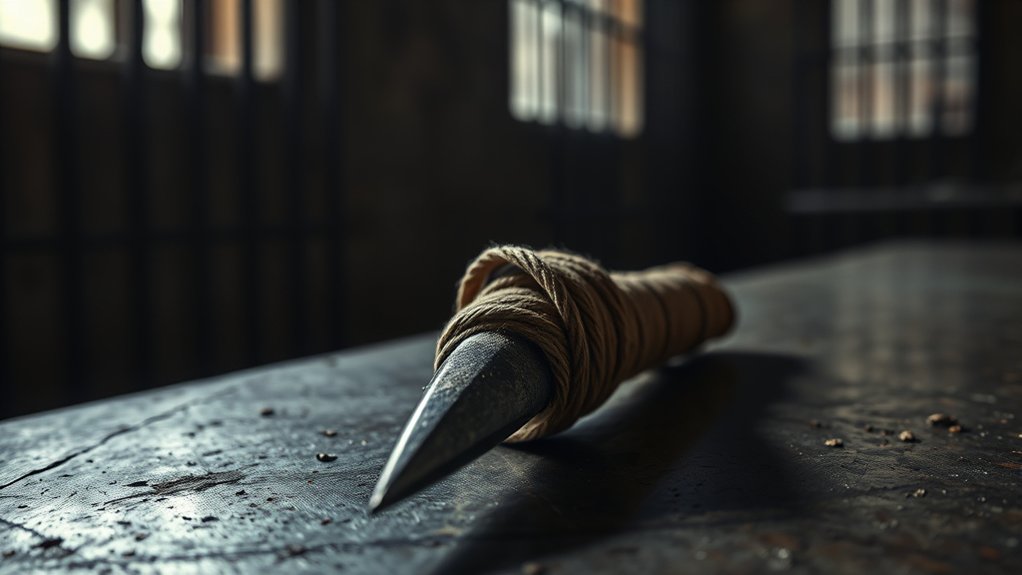
Since inmates rely on Glock dookies as covert weapons, they develop specific strategies to maximize their effectiveness in confrontations. You’ll notice their ingenuity in how they prepare and deploy these weapons.
They often fill bottles with bodily fluids and rotten food to create a potent spray.
Weapon concealment is key; inmates disguise these bottles as everyday items or hide them on their person to catch opponents off guard.
During fights, this sudden, unhygienic assault can really disorient someone. It causes both psychological shock and physical discomfort.
The element of surprise is a major part of their strategy.
Inmates leverage the unexpectedness and toxicity of Glock dookies to disrupt violence.
Understanding these tactics shows how calculated they’re in using this unconventional weapon.
Their goal is to maximize impact while remaining covert, making Glock dookies a surprisingly effective tool in prison conflicts.
Why Glock Dookies Are a Serious Prison Threat
Because Glock dookies combine toxic bodily fluids and decayed matter, they pose a serious health hazard in prisons. You need to realize that these improvised weapons not only harm prison hygiene but also send violent signals between inmates.
Their use can quickly escalate conflicts, making the environment more dangerous. When inmates use them, it can lead to more fights and chaos, which undermines order and safety.
Key reasons Glock dookies are a major prison threat include contamination of shared spaces, which seriously affects hygiene. They can spread infections rapidly through contact with hazardous fluids.
Plus, they’re often used to send aggressive messages, fueling violence. All of this disrupts the prison’s control and creates tension, making the environment unstable.
Understanding these risks is crucial for keeping the prison secure and managing inmate communication effectively.
Health Risks From Glock Dookie Exposure
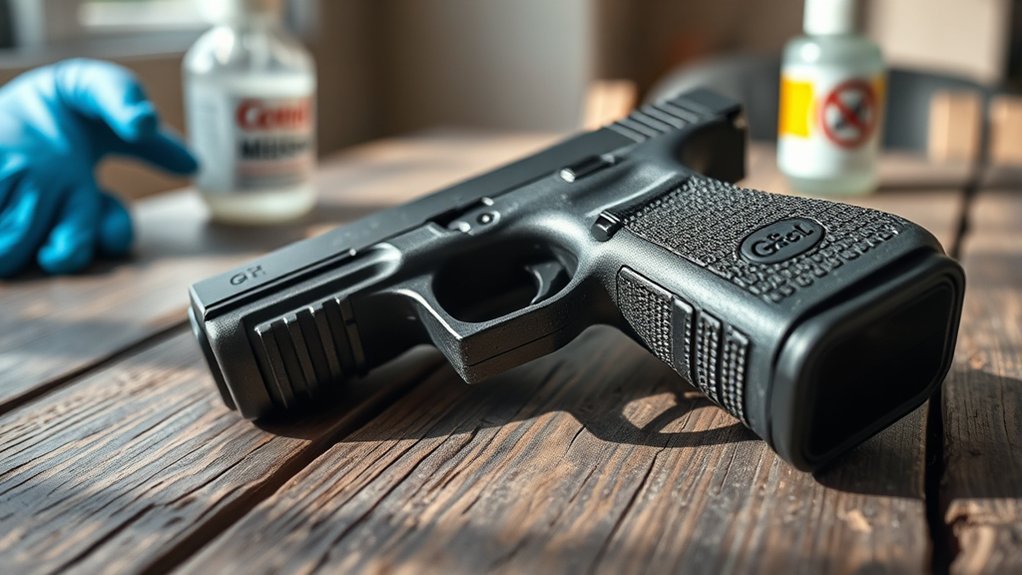
Although inmates might not realize how serious the risks are, exposure to Glock dookies can introduce dangerous bacteria, viruses, and fungi. These pathogens can lead to severe infections and illnesses.
Handling or even contact with bodily fluids in Glock dookies makes these health risks much worse. You could develop skin rashes, stomach problems, or more serious contagious diseases like hepatitis and HIV.
It’s important to understand these dangers so you can avoid exposure and protect your health while in prison. Being cautious can make a big difference in preventing serious health issues.
| Health Hazard | Cause | Potential Outcome |
|---|---|---|
| Skin Problems | Bacterial contamination | Rashes, infections |
| Viral Diseases | Contact with fluids | Hepatitis, HIV |
| Stomach Issues | Ingestion or contact | Nausea, vomiting |
| Fungal Infections | Presence of fungi | Long-lasting illnesses |
Knowing these risks helps you take steps to stay safe and healthy in challenging environments.
Impact of Glock Dookies on Prison Violence and Order
You’ll notice that when Glock dookies are used as weapons, it really ramps up inmate violence. Basically, it’s like adding a dangerous biological element into fights, which makes everything more intense.
This isn’t just about physical harm—there’s also a bigger health risk involved.
Because of this, fights tend to happen more often and can be way more severe. All of this messes with the overall order in the prison, making it a lot more chaotic and unsafe for everyone.
Escalation of Inmate Violence
When inmates use Glock dookies as weapons, it ramps up violence and throws the fragile prison order into chaos. This noxious substance makes inmate retaliation even worse, sparking cycles of aggression and mental stress.
You can see tensions rising as the threat of Glock dookie attacks spreads fear and distrust among prisoners. Correctional officers often respond with more force to control these violent outbreaks, which can make the situation even more unstable.
The impacts are serious. There’s more retaliation and hostility among inmates. Violent incidents become more frequent and severe. The psychological intimidation causes the prison’s order to break down.
To keep everyone safe, staff often have to step in more often to restore control. Understanding how Glock dookies contribute to this escalation is key to addressing inmate violence and maintaining a safer environment.
Health Risks and Consequences
Because Glock dookies introduce harmful bacteria and bodily fluids directly onto the skin and mucous membranes, they pose serious health risks like infections, rashes, and systemic illnesses. You should understand that these biological contaminants create significant nutritional hazards by weakening inmates’ immune systems and worsening preexisting conditions.
The unsanitary exposure increases the spread of diseases, putting additional pressure on prison healthcare resources.
The health impacts don’t stop there. The psychological effects on victims and witnesses are deep, often leading to trauma, anxiety, and increased aggression.
All these health issues make correctional facilities more volatile. They undermine inmate safety and make medical management more difficult.
Recognizing the full scope of Glock dookies’ health impacts is crucial to tackling broader public health problems in prisons and breaking the cycle of violence and illness they cause.
Disruption of Prison Order
The serious health risks posed by Glock dookies go beyond just harming individuals. They’ve a real impact on the overall stability of prison environments.
When inmates use these biological weapons, it leads to more violence and chaos inside the facility. The contamination makes it harder to keep the prison clean and sanitary.
It also messes with inmate communication. People become afraid of being attacked, so they avoid talking or resolving conflicts.
This cycle of fear and retaliation keeps the disorder going. It makes it even more challenging for staff to control the situation.
Key impacts include increased violent incidents, compromised hygiene, less inmate cooperation, and more difficulty for staff to maintain order and safety.
Understanding these effects is crucial. It helps in developing strategies to reduce violence and bring stability back to correctional facilities.
How Prison Staff Manage Glock Dookie Threats
To handle Glock dookie threats effectively, prison staff need to be really proactive with prevention and containment. That means controlling who’s access to any materials that could be misused, and making sure everyone follows strict hygiene and safety rules.
It’s also super important to keep a close eye on things—constant monitoring helps catch any issues early.
And if something does happen, quick action is key to keeping the situation under control and reducing risks for everyone involved.
Prevention And Containment
Although managing Glock dookie threats presents unique challenges, prison staff use rigorous monitoring and security protocols to detect and prevent escalation. Keeping close watch on inmates and maintaining strict security measures are key parts of this effort.
Staff rely on advanced surveillance systems and body searches to catch Glock dookies before they circulate. It’s all about staying one step ahead and stopping problems before they grow.
Some of the main prevention and containment measures include continuous inmate monitoring to spot early warning signs. Disciplinary actions like confinement and privilege revocation are also used to deter bad behavior.
Surveillance cameras and thorough searches help intercept threats. Educational programs and counseling are part of the strategy to reduce violence and promote positive behavior.
These methods work together to keep everyone safe, reduce health risks, and limit violence related to Glock dookie incidents inside the facility.
Hygiene And Safety Protocols
When managing Glock dookie threats, prison staff follow strict hygiene and safety protocols to keep contamination and health risks low. You’ll notice staff closely watching inmate behavior to catch any Glock dookie use early on.
They quickly isolate anyone involved to prevent more violence and bacterial spread. Wearing protective gear is a must during interventions. Staff also apply disinfectants thoroughly to clean affected areas and people.
Regular personal hygiene checks and sanitation practices are key to controlling infections. These routines help stop bacteria from spreading during these incidents.
Thorough training programs prepare staff to recognize Glock dookie situations fast and respond effectively. This helps maintain a safe environment for everyone.
Sticking to these protocols reduces health hazards and keeps facility safety standards high at all times.
Frequently Asked Questions
Are Glock Dookies Referenced in Popular Culture or Media?
Yes, Glock dookies are referenced in popular culture and media, especially in urban slang and prison jargon.
You might see them mentioned in documentaries, social media posts, and videos that focus on prison violence and inmate safety tactics. These references help paint a picture of the harsh realities inside correctional facilities.
They often use this term to highlight the dangers inmates face and the violent acts that can occur. The language is usually precise and technical, emphasizing the severity of such acts.
What Legal Penalties Exist for Possessing a Glock Dookie?
Over 60% of prisons report disciplinary actions tied to makeshift weapons like Glock dookies.
If you possess one, expect serious legal consequences under firearm regulations. Authorities treat them like deadly weapons, so the stakes are high.
You could face felony assault charges, extended solitary confinement, or higher-security transfers.
These penalties show just how dangerous such items are. They combine biological assault with weapon use, which is taken very seriously.
This strict enforcement is especially important within correctional facilities.
How Do Families of Inmates React to Glock Dookie Incidents?
You’ll find families react to Glock dookie incidents with profound family grief and heightened concern for inmate support.
They often demand stricter security and sanitation protocols to prevent health risks and violence.
This reaction comes from frustration and feelings of helplessness as they struggle to protect their loved ones.
They want to see real changes that keep everyone safe.
You’ll also see families advocating for policy reforms to improve prison hygiene and discipline.
Their goal is to improve overall inmate safety and reduce stigma.
They hope these steps will lead to a healthier, safer environment for everyone involved.
Are There Any Known Cases of Glock Dookie Attacks Outside the U.S.?
Imagine a shadow cast only on American prison walls. There are no known Glock dookie attacks outside the U.S.
The Glock dookie origins root deeply in U.S. correctional culture. It’s a unique example of prison slang evolution.
While other countries face prison violence, this specific tactic hasn’t surfaced internationally.
You’ll find its recognition tied closely to American narratives. It reflects a phenomenon largely confined within U.S. prison systems.
Can Glock Dookies Be Used as Evidence in Prison Investigations?
Yes, you can use Glock dookies as evidence in prison investigations. They provide critical forensic data linking inmates to specific incidents.
This is especially true when combined with surveillance footage and witness statements. Despite challenges like prison hygiene concerns, analyzing these bodily fluids can be helpful.
It helps document hostile inmate communication and violent behavior. This evidence supports disciplinary actions and helps keep the facility secure.
Conclusion
You must recognize that Glock Dookies are not just crude weapons. They’re dangerous tools that come from unsanitary conditions, inmate ingenuity, and systemic neglect.
They threaten health, disrupt order, and escalate violence. It’s important to understand how they’re constructed and how they’re used.
You need to identify these threats early and enforce strict controls. Only by addressing these elements with precision, vigilance, and authority can you effectively reduce the Glock Dookie threat.
This is essential for maintaining safety within prison walls.