What States Does Utah Concealed Carry Cover – Reciprocity And Coverage List
If you hold a Utah concealed carry permit, you can legally carry in 36 states that recognize Utah’s permit under various reciprocity agreements. This includes states like Alabama, Idaho, Nevada, and Virginia.
However, states like California, New York, Illinois, and Maryland do not honor Utah permits because they have stricter firearm laws. Reciprocity depends on your residency, permit type, and state-specific rules, so it’s really important to verify current recognition before you travel.
Keep exploring to understand specific rules and travel safely.
Key Takeaways
- Utah concealed carry permits are recognized in 36 states with varying residency and permit-type requirements.
- Some states accept both regular and provisional Utah permits; others only recognize regular permits or require Utah residency.
- States not honoring Utah permits include California, New York, Illinois, Maryland, and Massachusetts due to strict firearm laws.
- Reciprocity rules vary, so verifying current recognition status via the Utah Department of Public Safety website is essential before travel.
- Some states require verbal declaration of firearm possession during law enforcement stops or additional licensing for reciprocity.
Utah Concealed Carry Permit Basics and Eligibility
Although obtaining a Utah concealed carry permit requires meeting several criteria, the process is pretty straightforward for qualified applicants. You need to be at least 21 for a Standard permit or 18 for a Provisional one.
Completing a certified firearms-familiarity course is essential. This course makes sure you understand important topics like ammunition selection and proper handling of concealed carry gear.
Completing a certified firearms course ensures you learn key skills like ammunition choice and safe concealed carry handling.
You’ll also need to submit fingerprints, photographs, and the necessary documents. Utah issues permits to both residents and non-residents. However, non-residents must already hold a valid permit from their home state.
Once you get your permit, it lasts for five years and is recognized in multiple states under U.C.A. 53-5a-102.2. Just remember, it’s your responsibility to comply with firearm laws wherever you carry. So, thorough preparation and knowledge really matter.
Understanding Utah Concealed Carry Permit Reciprocity
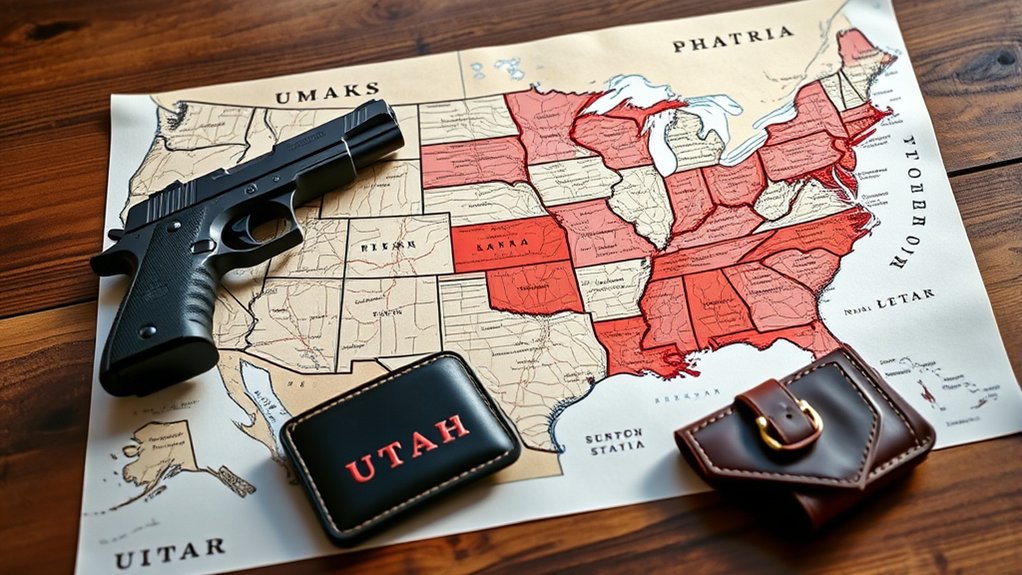
You should know that Utah has concealed carry reciprocity with over 30 states. However, how those states recognize your permit can differ based on the type of permit you have and whether you’re a Utah resident.
For example, some states accept both regular and provisional Utah permits. Others only recognize regular permits or might require you to be a Utah resident to carry legally.
Reciprocity Overview
How does Utah’s concealed carry permit work across state lines? Utah’s permit is recognized in multiple states through reciprocity agreements, which means you can carry legally beyond Utah’s borders.
These agreements depend on things like your residency status and specific state requirements, including ammo rules and concealed carry training standards.
The Utah Department of Public Safety regularly updates the reciprocity list, so it’s important to check the current status before you travel.
Some states might require you to verbally declare your firearm if you’re stopped by law enforcement.
Since recognition varies, it’s really up to you to understand each state’s rules that honor Utah permits.
Staying informed helps you comply with local laws, keep your legal carry privileges, and avoid penalties when carrying your concealed weapon outside Utah.
It’s always better to know before you go!
State Recognition Variations
Understanding how Utah’s concealed carry permit is recognized by other states means paying attention to specific variations in reciprocity agreements. Recognition depends on whether a state honors resident, non-resident, or both types of Utah permits.
Before traveling, you’ll want to keep a few key things in mind. Some states only accept permits from Utah residents. Others recognize non-resident permits issued after the application process.
Certain states limit recognition to specific Utah permit types, like regular or provisional. This can impact your legal carry rights.
Plus, additional restrictions might apply. For example, you may need to verbally declare your firearm during law enforcement encounters, even if there’s reciprocity.
Reciprocity Rules for Utah Residents and Non-Residents
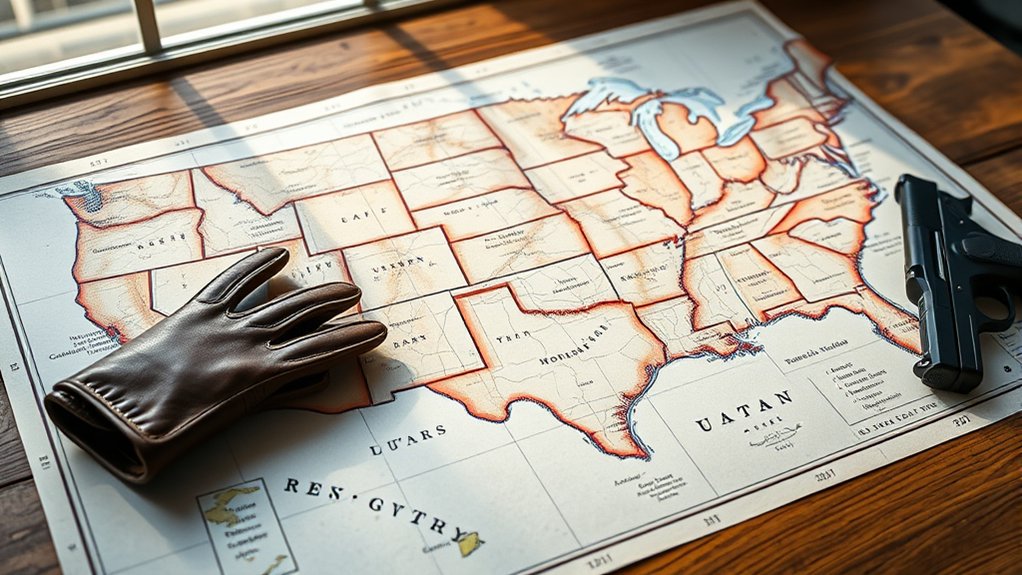
Although Utah permits allow residents and non-residents to carry concealed firearms in multiple states, the extent of recognition varies considerably depending on each state’s laws and the type of Utah permit held. You must understand that some states accept both resident and provisional permits, while others recognize only resident permits.
Utah concealed carry permits are recognized differently across states, depending on permit type and state laws.
Meeting additional licensing requirements, such as age or demonstrated need, is often mandatory for reciprocity.
It’s essential to stay updated on permit renewal deadlines to maintain valid reciprocity status. Before traveling, verify each state’s specific reciprocity rules, as recognition can change and differ for residents versus non-residents.
Staying informed ensures you comply with evolving regulations and avoid legal complications when carrying concealed across state lines.
States That Recognize Utah Concealed Carry Permits
You can carry legally in 36 states that recognize Utah concealed carry permits. However, each state has its own rules about residency and which types of permits they accept.
For example, some states require you to verbally declare that you’re carrying a firearm if you’re stopped by law enforcement. Others have specific reciprocity agreements that can affect whether your permit is recognized or not.
Because these rules can change, it’s always a good idea to double-check the current reciprocity status and state laws before you travel. That way, you’ll stay fully compliant and avoid any surprises.
States Accepting Utah Permits
When you carry a Utah concealed carry permit, you gain legal recognition in 36 states that honor Utah’s licensing standards. This extensive reciprocity reflects Utah’s commitment to rigorous gun safety and licensing requirements. It guarantees your permit is respected across diverse jurisdictions.
States accepting Utah permits include Alabama, Idaho, Nevada, and Virginia, among others.
Before traveling, you should:
- Verify each state’s current reciprocity laws, as recognition can change.
- Understand that some states require verbal declaration of firearm possession during law enforcement stops.
- Confirm whether your permit’s recognition applies if you’re a non-resident.
Staying informed about these details ensures you carry responsibly, legally, and with full awareness of varying state rules. It’s always better to double-check so you don’t run into any surprises.
Residency Requirements Explained
Since states vary widely in their recognition of Utah concealed carry permits, understanding residency requirements is vital before carrying across state lines. Some states accept Utah permits only if you’re a Utah resident, while others recognize non-resident permits.
You must verify each state’s specific rules, as certain states require proof of your home state permit for recognition.
Staying current with your permit renewal is essential, as an expired permit may not be honored. Additionally, the application process for obtaining or renewing your Utah permit can impact your eligibility in other states.
Knowing these nuances helps you avoid legal complications and guarantees your Utah concealed carry permit remains valid and recognized during travel.
Always confirm residency requirements before carrying concealed outside Utah. It’s better to double-check than to assume, especially when laws can change or differ so much from place to place.
This way, you’re staying safe and within the law wherever you go.
Reciprocity Agreement Overview
Understanding residency requirements sets the foundation for steering Utah’s concealed carry reciprocity agreements. These agreements have a rich history tied to the evolving landscape of gun laws. They allow Utah permit holders to carry legally in 36 states.
That said, challenges with reciprocity still exist because states have different rules about recognizing permits. This is especially true when it comes to residents versus non-residents.
Here are some key points you should keep in mind:
- Some states, like Alabama and Arizona, accept Utah permits for both residents and non-residents.
- Several states require you to verbally disclose that you have a firearm if you’re stopped by law enforcement.
- Recognition varies a lot, so it’s always a good idea to double-check the specific rules of any state before you travel.
States That Do Not Honor Utah Concealed Carry Permits and Why
Why don’t some states honor Utah concealed carry permits? The answer lies in varying permit restrictions and state policies.
States like California, New York, and Illinois have strict firearm laws that either require their own permits or exclude nonresident permits altogether. These states maintain thorough regulations that explicitly deny recognition of Utah’s concealed carry permit.
Others, such as Maryland and Massachusetts, enforce strict reciprocity policies or political restrictions that prevent honoring out-of-state permits.
Additionally, some states don’t issue nonresident permits, which limits their willingness to recognize Utah’s.
Because these policies are subject to change, you should always verify the current status before traveling.
Understanding these state-level distinctions is essential to ensure compliance and avoid legal issues when carrying concealed in different jurisdictions. It’s always better to double-check so you don’t run into trouble.
Legal Restrictions for Utah Concealed Carry Permits Out of State
While many states recognize Utah concealed carry permits, each state has its own legal restrictions you need to follow when carrying out of state. Understanding these differences is really important to stay compliant with the various concealed carry laws.
Here are some key restrictions to keep in mind:
- Residency Requirements: Some states only honor Utah permits if you’re a Utah resident. This can affect whether your permit is valid there.
- Firearm Registration: In certain states, you might have to register your firearm as soon as you enter, even if they recognize your permit.
- Law Enforcement Interaction: Some states require you to verbally declare that you’re carrying a firearm during police stops. This is a unique legal obligation in those places.
Also, if you break any state-specific firearm laws, your permit recognition could be revoked. So, always make sure to follow local firearm registration rules and concealed carry laws.
That way, you’ll keep your firearm possession lawful and safe while traveling.
How to Verify Utah Concealed Carry Permit Recognition Before Travel
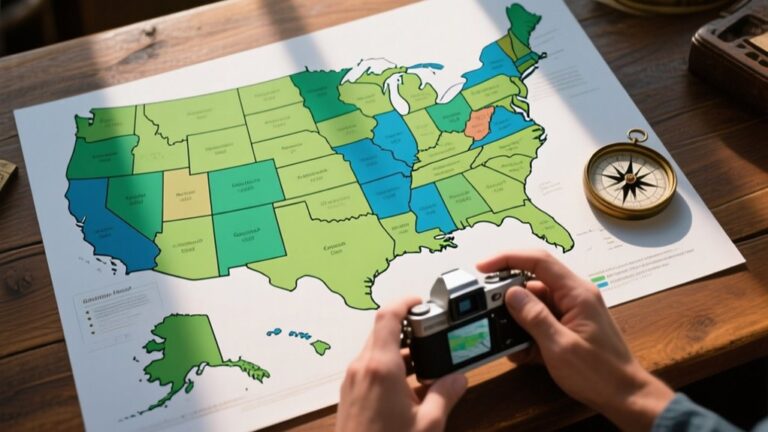
Before you travel with your Utah concealed carry permit, you should verify its recognition in your destination state to avoid legal complications. For travel safety, always check the Utah Department of Public Safety website or official reciprocity maps before your trip.
It’s a good idea to contact local law enforcement to confirm permit acceptance and review any restrictions. Stay updated on legislative changes that may impact reciprocity.
Make sure to verify recognition right before you travel, especially if your permit renewal is pending.
| Step | Action |
|---|---|
| 1 | Visit Utah DPS website |
| 2 | Review official reciprocity maps |
| 3 | Contact destination state/local law enforcement |
| 4 | Check for recent legislative changes |
| 5 | Confirm permit acceptance before travel |
Frequently Asked Questions
Can Utah Concealed Carry Permits Be Used for Open Carry in Other States?
You can use Utah concealed carry permits for open carry in other states only if those states have state reciprocity and permit recognition for open carry. Always verify each state’s specific open carry laws before traveling.
It’s a good idea to double-check because open carry rules vary a lot from state to state. Don’t assume your Utah permit automatically covers open carry everywhere. Staying informed helps you avoid any legal trouble while on the road.
Are There Specific Training Requirements for Utah Permit Holders in Other States?
Think of your permit as a key. Some states require extra training to open the door.
You’ll face varying demands like permit renewal paperwork, background checks, and proof of firearms proficiency to carry legally across state lines.
It’s important to check each state’s specific rules before you travel. That way, you can stay on the right side of the law and keep your permit valid wherever you go.
How Do Utah Permit Holders Handle Firearm Transportation During Interstate Travel?
When handling firearm transportation during interstate travel, you must comply with each state’s laws. This usually means storing your firearm unloaded in a locked container. It’s important to make sure it’s not readily accessible.
Doing this helps you avoid legal issues and guarantees safe transit. Each state can have different rules, so double-check before you hit the road. It’s always better to be safe and prepared!
What Are the Penalties for Misuse of a Utah Concealed Carry Permit Out of State?
If you misuse your Utah concealed carry permit out of state, you risk fines, arrest, or permit suspension.
Permit renewal may be denied, and background checks could flag violations. This can affect your legal ability to carry firearms nationwide.
Do Utah Concealed Carry Permits Cover Carrying in Federal Buildings or Parks?
You don’t automatically have federal restrictions waived; Utah permits don’t cover all federal buildings.
Park regulations vary, so you must check each federal park’s rules carefully before carrying. Otherwise, you could face potential legal consequences.
It’s always best to be informed and cautious when carrying in these areas.
Conclusion
Traveling with a concealed carry permit across state lines can feel like a delicate dance. But knowing Utah’s reciprocity details helps you stay confidently prepared.
Many states welcome your permit, but a few remain cautious. So, it’s always a good idea to do a quick check before you travel.
Staying informed makes sure your rights are respected and surprises are kept to a minimum. Keep this knowledge close. It’s your key to responsible, seamless protection wherever your journey takes you.