Is Concealed Carry Legal In Texas – State Carry Laws Explained
Yes, you can legally carry a concealed handgun in Texas if you’re 21 or older and meet state requirements, thanks to the permitless carry law effective since 2021. You’re allowed to carry openly or concealed without a license.
However, certain locations like schools and courthouses are still off-limits. Younger adults aged 18 to 20 may also carry under specific conditions.
Understanding eligibility, restrictions, and safe carry rules helps you stay compliant and informed about your rights. It’s always good to know the details so you can carry confidently and responsibly.
Key Takeaways
- Texas allows permitless concealed carry for individuals 21 and older who legally possess firearms since September 2021.
- Individuals aged 18-20 can carry concealed legally following 2022 court rulings, removing age-based prosecution.
- Concealed carry is prohibited in schools, courthouses, polling places, airports, and certain government buildings.
- Applicants must complete DPS-approved training, pass background checks, fingerprinting, and pay fees for licenses valid five years.
- Violating carry restrictions can result in criminal charges, fines, imprisonment, or license suspension.
Is Concealed Carry Legal in Texas?
Wondering if you can legally carry a concealed handgun in Texas? Since September 1, 2021, Texas allows individuals 21 and older to carry concealed firearms without a license, as long as they legally possess the weapon. You don’t need a permit for open or concealed carry.
If you do have a license, you must carry your handgun in a holster, though the law doesn’t specify the type.
Texas also recognizes concealed carry permits issued by other states, which helps with reciprocity.
Even with this broad legality, certain places like schools, courthouses, and private property with posted notices still prohibit carrying firearms.
It’s always a good idea to prioritize gun safety and firearm training. That way, you understand the legal boundaries and can handle your firearm safely in public and private settings throughout Texas.
Who Can Legally Carry Concealed Handguns in Texas
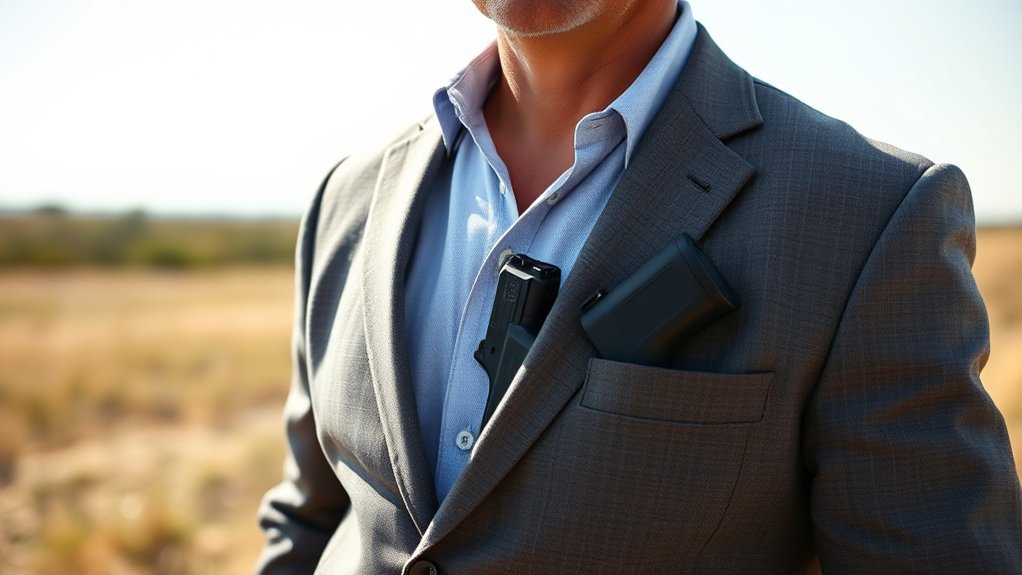
You can legally carry a concealed handgun in Texas if you’re 21 or older, thanks to the permitless carry laws that have been in effect since 2021. It’s pretty straightforward for adults in that age group.
But what about those who are younger? Well, people aged 18 to 20 can also carry concealed handguns. This became clearer after a 2022 court ruling that stopped prosecution based solely on age. So, even if you’re under 21, you might still be good to go.
That said, there are some important restrictions. You can’t carry if you have felony convictions, certain misdemeanors, protective orders, or other disqualifications.
Eligibility Criteria
Although Texas law generally requires individuals to be at least 21 years old to carry a concealed handgun, recent court rulings now permit those aged 18 to 20 to carry without prosecution solely based on age.
To legally carry concealed, you must meet strict eligibility criteria, including passing thorough licensing procedures and demonstrating knowledge of firearm safety.
You can’t have recent felony convictions, certain misdemeanors, active protective orders, or disqualifying mental health issues. These rules are in place to keep everyone safe.
Consider these key points about eligibility:
- You must pass a background check free of disqualifying criminal history.
- Individuals with domestic violence records or protective orders are barred.
- Gang membership disqualifies you from carrying concealed.
- Recent laws allow qualified 18-20-year-olds to obtain a License to Carry (LTC).
Understanding these criteria helps you stay compliant with Texas concealed carry laws. It’s important to know what’s required before you carry.
Age And Restrictions
While Texas law traditionally set the minimum age to carry a concealed handgun at 21, recent federal court rulings now allow individuals aged 18 to 20 to carry concealed without prosecution solely based on age.
The Texas Department of Public Safety no longer denies license to carry applications just because of this age group.
However, certain restrictions still remain. Felony convictions, protective orders, and other disqualifications continue to prohibit concealed carry regardless of age.
You should also understand that firearm training and gun safety are especially important for younger carriers. Responsible handling is key to staying safe.
The 2021 legal changes didn’t expand firearm rights for those who were previously barred from possession.
How Permitless Carry Changed Texas Concealed Carry
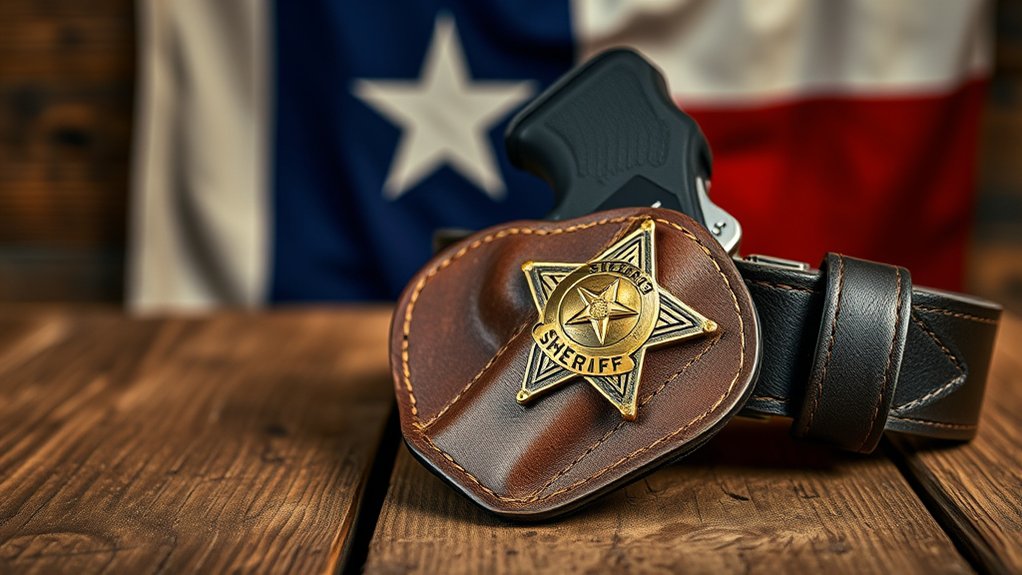
Several significant changes came with Texas’s permitless carry law, which took effect on September 1, 2021. Now, if you’re 21 or older and legally eligible to possess a firearm, you can carry a handgun openly or concealed without a License to Carry (LTC).
This shift eliminated mandatory firearm training for basic carry but didn’t remove the option to obtain an LTC.
Holding an LTC still offers licensing reciprocity benefits, allowing you to carry in other states and in restricted Texas locations.
Consider how this affects you:
- You gain freedom to carry without prior training.
- LTC holders maintain advantages across state lines.
- The law simplifies everyday carry for responsible adults.
- You must remain aware of locations where carry is prohibited.
This law reshaped concealed carry by balancing accessibility with ongoing safety considerations. It’s a big change, but one meant to keep things practical and safe.
Where You Can and Cannot Carry a Concealed Handgun
If you’re 21 or older and legally allowed to carry a handgun in Texas, you can do so concealed across most public areas. This applies whether you hold a license or qualify under permitless carry laws.
However, you can’t carry in schools, courthouses, polling places, airports, and certain government buildings. Private property owners may also prohibit concealed carry by posting proper signage. That means it’s illegal to carry there even if you have a license.
Concealed carry is prohibited in schools, courthouses, polling places, airports, certain government buildings, and on private property with proper signage.
Bars or restaurants earning 51% or more from alcohol sales restrict concealed carry unless you provide proper notice.
Tribal lands have varying rules, so it’s a good idea to check with tribal authorities before carrying.
Staying informed about these restrictions is essential for firearm safety and compliance. It’s especially important if you want to keep your license renewal on time.
Why You Need a Holster When Carrying Concealed
Knowing where you can and can’t carry a concealed handgun in Texas is only part of responsible firearm ownership. You need a proper holster to comply with Texas law, which mandates handguns be carried in a holster for safe and legal concealment.
While the law doesn’t define “holster,” using one guarantees holster safety by preventing accidental discharges and promoting secure firearm handling.
Holsters also support discreet carrying, which is a key aspect of responsible concealment. Choosing the right concealed carry accessories can make all the difference in your safety and legality.
Remember, a holster:
- Protects you and others from unintentional firearm discharge
- Keeps your handgun securely in place during daily activities
- Ensures compliance with Texas concealed carry laws
- Enhances comfort and confidence while carrying concealed
Who Can’t Carry a Concealed Handgun in Texas
You can’t carry a concealed handgun in Texas if you have certain felony convictions, recent family violence offenses, or are under active protective orders. These legal restrictions are in place to help keep everyone safe.
Also, if you’re under 21, the law doesn’t allow you to carry a concealed handgun.
There are other reasons too, like specific criminal backgrounds or mental health histories, that can disqualify someone from carrying.
Legal Disqualifications
While Texas law allows many people to carry concealed handguns, there are some legal disqualifications that might prevent you from doing so. Even if you’ve completed the training and know how to store your firearm properly, certain rules still apply.
For example, you can’t legally carry if you’ve been convicted of certain felonies or domestic violence offenses. Also, if there are active protective orders against you, that will stop you from carrying.
Recent misdemeanor convictions for violent crimes within the last five years also count. Plus, if you’ve been declared mentally incompetent or hospitalized for mental health reasons, you’re not allowed to carry.
On top of that, non-citizens, illegal aliens, and dishonorably discharged military members can’t carry concealed in Texas. These rules help make sure that handgun possession stays responsible and keeps everyone safe.
Age Restrictions
Although Texas law traditionally required individuals to be at least 21 years old to carry a concealed handgun, recent legal developments have changed this age restriction.
Following a 2022 court ruling, people aged 18 to 20 are no longer prosecuted just because of their age for carrying a concealed handgun.
The Texas Department of Public Safety (DPS) won’t deny license applications from this age group solely due to age. However, you still have to meet all the other criteria.
This means passing thorough background checks and completing the required firearm training.
Even with these changes, if you have felony convictions or certain misdemeanors, you’re still prohibited from carrying concealed.
It’s important to understand these nuanced age restrictions when thinking about your concealed carry rights in Texas.
How to Apply for a Texas Concealed Carry License (LTC)
Before obtaining a Texas Concealed Carry License (LTC), you’ll need to submit an initial online or paper application to the Texas Department of Public Safety (DPS) and pay the required fee.
You must be at least 21, or 18-20 under recent changes. You’ll also need to pass a thorough background check and prove your eligibility.
Completing a DPS-approved concealed carry training course is mandatory. This course covers handgun maintenance, safety, and includes a range proficiency demonstration.
DPS will fingerprint you and review your records before approving your license. Once approved, the license lasts five years.
When it’s time to renew, you’ll need to recertify and pay the renewal fee.
Keep in mind:
- Gaining confidence through expert concealed carry training
- Ensuring safety by mastering handgun maintenance
- Committing to legal responsibility and eligibility
- Securing peace of mind with thorough background checks
Consequences of Carrying in Prohibited Places
If you carry a firearm into locations where Texas law explicitly prohibits it, such as schools, courthouses, or polling places, you risk facing severe legal consequences. These can include third-degree felony charges that carry prison terms of 2 to 10 years. Proper firearm signage must be posted to lawfully establish restrictions. Ignoring these signs can lead to criminal penalties.
Violations in sensitive sites like disciplinary offices or health care facilities may trigger both criminal charges and disciplinary consequences. Additionally, carrying in bars with high alcohol sales or certain university buildings can lead to fines, arrest, or loss of your concealed carry license.
So, it’s really important to pay attention to where you’re allowed to carry and follow the rules carefully.
| Location Type | Legal Consequence | Additional Impact |
|---|---|---|
| Schools, Courthouses | Third-degree felony | 2-10 years imprisonment |
| Health Care, Disciplinary | Criminal charges | Disciplinary consequences |
| Bars, University | Fines, arrest, license suspension | Possible firearm signage |
How Texas Law Treats Concealed Carry for Ages 18 to 20
Since 2022, Texas has updated its approach to concealed carry for individuals aged 18 to 20. You can now apply for a License to Carry (LTC) without being automatically disqualified just because of your age. This change came after court rulings challenged the previous age restrictions, so if you meet all other requirements, you can legally carry concealed.
Texas now allows individuals 18 to 20 to apply for a concealed carry license, removing age-based automatic disqualification.
You’ll need to complete the required firearm training and follow the standard LTC application procedures. Keep in mind, though, that prohibitions like felony convictions or protective orders still apply.
Also, once you’re licensed, it’s your responsibility to renew your license on time to keep your carry privileges active.
- Gain legal recognition for your responsibility and rights
- Feel empowered by completing firearm training early
- Avoid unnecessary prosecution for lawful carry
- Maintain control through license renewal compliance
Frequently Asked Questions
Can I Carry a Concealed Handgun While Traveling Through Texas From Another State?
Yes, you can carry a concealed handgun while traveling through Texas if your out-of-state permit is valid, thanks to interstate reciprocity. Just follow travel restrictions, carry your permit and ID, and comply with Texas laws.
It’s pretty straightforward, but always double-check the latest rules before you hit the road. Staying informed helps avoid any unexpected issues while you’re traveling.
Are There Specific Training Requirements for Permitless Concealed Carry in Texas?
They say, “Forewarned is forearmed.” For permitless carry in Texas, you don’t face training requirements.
Unlike licensed carriers, you’re not mandated to complete safety courses or proficiency tests before carrying concealed legally.
How Does Texas Law Regulate Carrying Concealed Handguns in Vehicles?
Texas lets you carry concealed handguns in vehicles without a license if you’re 21 or older. However, you still need to follow concealed carry rules, like storing the gun securely and not carrying while intoxicated.
The usual handgun licensing requirements don’t apply when you’re inside a vehicle. So, you have a bit more freedom there, but it’s important to stay responsible and aware of the restrictions.
Can Employers Prohibit Concealed Carry on Their Private Property in Texas?
Yes, you can’t carry concealed firearms on private property if the employer enforces private property restrictions with proper signage. Employer policies legally prohibit carrying.
But storing firearms locked in your vehicle in employer parking lots is generally allowed. So, while you can’t carry on the premises, keeping your firearm safely stored in your car is usually fine.
What Are the Rules for Carrying Concealed Handguns in Texas State Parks?
You might think handgun safety means no restrictions, but Texas requires concealed handguns in state parks to follow specific rules. You must conceal your firearm, respect signage, and note that firearm registration isn’t mandatory statewide.
It’s important to remember these guidelines so you stay safe and within the law. Always keep an eye out for any posted signs in the parks. They’ll let you know where carrying a handgun is allowed or restricted.
Conclusion
You can carry concealed in Texas if you meet the legal requirements, understand where carry is allowed, and follow safety protocols like using a holster. You must know who’s prohibited from carrying and how permitless carry affects you.
Applying for a license requires careful attention to the process. Remember, carrying in restricted places has serious consequences. Laws also differ for ages 18 to 20.
Stay informed, stay responsible, and carry within the law.