Top 12 Best Rafting Knife Picks for Every Water Adventure
Rafting trips demand gear that performs under wet, rugged conditions, and a poor-quality knife can quickly become a hazard rather than a help. Struggling with a rusted blade that won’t cut rope or a handle too slippery to grip properly is a common frustration that highlights the need for the best rafting knife. Such a tool needs to deliver reliable, precise cuts every time, without fail or delay.
The best rafting knives typically have blades made from stainless steel with a high corrosion resistance rating, often around 440C or better. A blade length between 3 to 4 inches balances cutting power with ease of handling and safe storage.
Handles are usually textured or rubberized to maintain grip, even when wet. Safety features like locking mechanisms or sheath retention prevent accidental openings or loss during fast river runs. Ease of cleaning is also crucial since the knife is exposed to mud, plants, and waterborne debris frequently.
Need a Quick Check?
| Image | Product | Price |
|---|---|---|
Our Top Picks 1 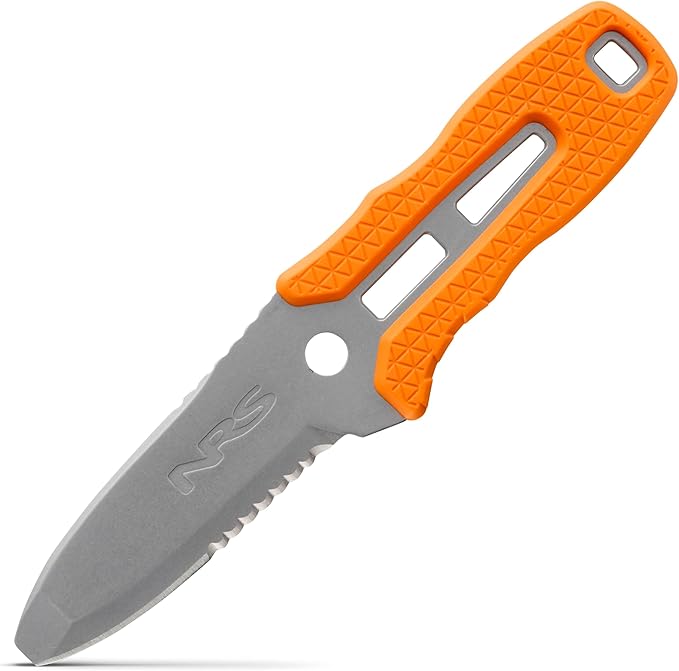 | NRS Pilot Knife Flare | Check Price |
Our Top Picks 2  | GEAR AID Akua Paddle Knife | Check Price |
Our Top Picks 3  | NRS Pilot Knife Yellow | Check Price |
Our Selected Top 12 Rafting Knife for Every Budget
This selection covers a variety of rafting knives suitable for different needs and budgets. Each review explains how the knife performs in water-related conditions, who it is best suited for, and highlights both strengths and potential drawbacks to help make an informed choice.
1. NRS Pilot Knife Flare
Ideal for freshwater boating and water rescue, the NRS Pilot Knife suits anyone needing a durable, safe cutting tool in wet conditions. Its strongest feature is the blunt tip that prevents accidental punctures, making it safer without sacrificing cutting ability.
Setting it up requires little effort; the lightweight design means it doesn’t add bulk. The glass-reinforced polypropylene handle with rubber overlay gives a steady grip even when wet. The lanyard point adds security, preventing loss in water, while jimping on the blade improves control.
Both smooth and serrated edges handle different cutting tasks efficiently.
The knife performs well cutting ropes and straps, with the serrated blade tackling tougher materials effectively. Construction quality is solid, with corrosion-resistant stainless steel.
High marks come for durability and grip, although some note the blunt tip limits piercing ability. The sheath is lightweight but sturdy, making carry comfortable.
Strongest praise points to the safe, blunt tip and reliable grip even in wet conditions. The most frequent complaint is the blunt tip’s limitation for piercing tasks. The knife handles cutting needs well but cannot replace knives meant for puncturing.
Boaters and rescuers needing a dependable, safe tool will find this knife suitable. Those requiring a piercing knife or prefer a straight-point blade should consider options with sharper tips instead. The balance of weight, durability, and safety suits long days on the water.
Pros
- Blunt tip prevents accidental punctures
- Secure wet grip from rubber overlay handle
- Lightweight at just over 3.6 ounces
- Serrated edge for tougher cuts
Cons
- Blunt tip reduces piercing capability
- Lanyard attachment feels small for thick cords
| Specification | Details |
|---|---|
| Blade Material | 420 HC Stainless Steel |
| Handle Material | Glass-reinforced polypropylene with rubber overlay |
| Weight (Knife) | 3.65 oz (103.48g) |
| Weight (Sheath) | 0.75 oz (21.26g) |
| Blade Tip | Blunt |
| Blade Edges | Smooth and serrated |
2. GEAR AID Akua Blunt Tip Paddle Knife
Titanium-coated blade and blunt tip design make this knife well suited for rafters who need a safe, durable tool around inflatables. It combines a fairly light weight with multiple cutting edges and practical extras like a bottle opener. The blunt tip is its key feature, preventing accidental punctures in boats.
Setting it up is straightforward. The quick release sheath uses a thumb tab to access the knife easily. It can mount on belts, gear with a lash tab, or MOLLE webbing, so placement options are flexible during trips.
The ability to pry open shellfish or turn screws adds value, considering the small size and simplicity.
Cutting through fishing line and rope works well thanks to the straight and serrated edges. The titanium coating helps the blade resist wear, and the full-tang stainless steel build ensures toughness without too much weight at 5.6 oz. A common complaint involves the belt clip being removable but not always locking securely in place.
Praise often highlights the blunt tip as key for safety around inflatables. The quick release sheath makes accessing the knife fast and simple. Complaints mainly focus on the belt clip not locking tightly, which can affect how securely the knife stays mounted during rough activity.
Ideal for rafters who prioritize safety to avoid damaging boats and want a lightweight, versatile tool. Those needing a longer blade or a knife without extra mounting parts might prefer a simpler fixed blade. The built-in bottle opener and glass breaker add practical use beyond cutting tasks.
Pros
- Blunt tip won’t puncture inflatable gear
- Multiple mounting options for easy access
- Combination straight and serrated edges for rope
- Includes bottle opener and glass breaker
Cons
- Belt clip can feel loose or insecure
- Blade length limited to 3 inches
| Specification | Details |
|---|---|
| Blade length | 3 inches |
| Blade material | Titanium-coated stainless steel |
| Weight | 5.6 ounces |
| Sheath features | Quick release, belt clip, lash tab, MOLLE compatible mount |
| Extra functions | Bottle opener, glass breaker, line/cord cutter |
| Warranty | 2 years |
3. NRS Pilot Knife Safety Yellow
Bright yellow design catches attention fast, making the NRS Pilot Knife Safety Yellow a solid choice for rafters needing a reliable and safe cutting tool. It fits anyone who spends time on the water and needs a knife with a built-in safety focus without extra bulk.
Its main strength lies in combining durability with thoughtful safety features.
Setting it up involves attaching the included sheath securely, which is small and light enough to carry without adding weight. The handle’s rubber overlay and jimping keep grip firm even when wet, a key quality for use on slippery rafts or boats.
The lanyard point prevents it from disappearing overboard. The dual edge, smooth and serrated, covers tasks from slicing rope to cutting thicker materials.
The 420 HC stainless steel blade stays sharp and resists corrosion, handling the variety of cutting tasks you’ll encounter outdoors. The blunt tip reduces risks of accidental punctures during use. Most applause goes to its secure grip in wet conditions and solid build.
A common frustration is that it may feel smaller or less versatile outside its intended rafting use.
Durable blade and non-slip handle make cutting tasks safe and steady on water, key for rafting adventures. Some users find the knife feels small or less useful when used for broader or heavier outdoor chores beyond rafting. The blunt tip reduces poking accidents but limits piercing ability.
Rafters and kayakers will appreciate the focus on wet grip and safety. People needing a general outdoor knife with bigger blades or pointed tips should look at other models designed for broader wilderness use. This knife is specialized for water safety and portability rather than heavy-duty camp cutting.
Pros
- Lightweight and easy to carry
- Strong grip even in wet conditions
- Dual smooth and serrated edges for versatility
- Blunt tip reduces puncture hazard
Cons
- Blade size may feel small for some tasks
- Limited use outside water-based activities
| Specification | Details |
|---|---|
| Blade Material | 420 HC Stainless Steel |
| Handle Material | Glass-reinforced polypropylene with rubber overlay |
| Weight (Knife) | 3.65 oz (103.48g) |
| Weight (Sheath) | 0.75 oz (21.26g) |
| Blade Edges | Smooth and serrated |
| Safety Feature | Blunt blade tip |
4. NRS Pilot Knife

Designed for rafting enthusiasts who need a dependable cutting tool, the NRS Pilot Knife offers a combination of safety and versatility that justifies its price over cheaper options. Its blunt tip prevents accidental punctures, which matters a lot in fast-flowing water, while the dual-edge blade covers most cutting needs.
Setting up the knife is straightforward since it comes with a lightweight sheath that clips easily onto gear without adding bulk. The handle’s glass-reinforced polypropylene with a rubber overlay provides a firm grip, even when wet. Its lanyard point helps prevent losing it in the water.
Both the serrated and smooth edges mean you can handle rope, webbing, or line without switching tools.
Carving through rope and webbing is efficient because the 420 HC stainless steel blade stays sharp and resists rust. The knife feels solid and well-balanced in hand, reducing fatigue during extended use.
One strong point is the secure grip thanks to jimping and rubber overlay. The most frequent downside mentioned is the blade length, which some find a bit short for larger tasks.
Sharpness holds well over time, contributing to reliable cutting in outdoor conditions. The secure grip is praised consistently, but some find the blade too short for cutting thick ropes or larger materials. The blunt tip is widely valued for safety without sacrificing cutting performance.
People who raft often and need a knife specifically designed for water use will appreciate its features and durability. Those who want a longer blade or multi-tool functions may want to consider other models. Ideal for anyone prioritizing safety and dependable performance in wet environments.
Pros
- Blunt tip reduces risk of accidental punctures
- Dual edges handle many cutting tasks
- Rubber overlay maintains grip when wet
- Lightweight for easy portability
Cons
- Blade length may feel short for bigger jobs
- Sheath weight adds modest carry bulk
| Specification | Details |
|---|---|
| Blade Material | 420 HC Stainless Steel |
| Handle Material | Glass-reinforced polypropylene with rubber overlay |
| Weight | Knife 3.65 oz (103.48g), Sheath 0.75 oz (21.26g) |
| Blade Edge | Smooth and serrated |
| Blade Tip | Blunt |
| Included Components | Sheath |
5. Maxam Saltwater Knife

Handling fishing lines and quick cutting tasks on the water demands a blade that won’t rust or slip. For anglers who need a reliable, compact tool that works well in saltwater, this folding knife offers a solid grip and corrosion resistance. Its strength lies in a blade that cuts through tough materials without hesitation and stands up to salty environments.
Setting up the knife is simple with its folding design that fits neatly into a pocket or attaches to a belt using the reversible clip. The handle’s textured fiberglass reinforced nylon keeps your hand steady even when wet, helping maintain control. A lanyard hole adds extra carrying options through connection to a key ring or cord.
The knife stays handy without taking much space, ready for ropes, webbing, or fishing lines.
The serrated German stainless steel blade cuts cleanly through ropes and straps without snagging and holds up well against rust from saltwater exposure. The handle feels durable and secure thanks to its strong FRN material. Reviews note the blade performs well with various materials, but some find the blade a bit heavier than expected for its size.
The clip works well for carrying but could be tighter.
The knife excels at cutting ropes and webbing cleanly without catching or rusting after exposure to saltwater conditions. Its sturdy feel and secure grip provide confidence during use. Main drawbacks focus on the blade’s heavier weight compared to some folding knives and occasional looseness in the belt clip that may cause slipping.
Anglers who want a corrosion-resistant, easy-to-carry knife will appreciate the secure grip and cutting power. Those seeking an ultra-light blade or a clip with tighter retention might consider other options. It suits adults needing a practical, rugged knife for fishing and outdoor tasks where saltwater durability matters.
Pros
- Resists rust and corrosion in saltwater
- Compact folding design for easy carry
- Non-slip grip with textured FRN handle
- Serrated blade cuts ropes without snagging
Cons
- Blade weight heavier than some expect
- Belt clip could hold more tightly
| Specification | Details |
|---|---|
| Blade Material | German Stainless Steel |
| Handle Material | Fiberglass Reinforced Nylon (FRN) |
| Clip Type | Reversible Belt Clip |
| Model Number | SKMXSALT33 |
| Included Components | Belt Clip |
| Unit Count | 1 Count |
6. Smith & Wesson Extreme Ops Folding Knife

Measuring 7.1 inches in total length with a 3.1-inch blade, this folding knife suits outdoor and survival tasks, especially for those needing a compact and reliable cutting tool. Its standout feature is the black oxide coated, high carbon stainless steel blade, which combines sharpness with rust resistance.
Unfolding the knife feels simple thanks to the finger flipper and ambidextrous thumb knobs. The liner lock holds the blade firmly in place during use, avoiding slips. The aluminum handle is lightweight yet sturdy, and the pocket clip makes it easy to carry securely during rafting or daily utility tasks.
Cutting through rope, wood, or packaging works fine with the serrated clip point blade. Construction balances durability with weight, weighing only 3.5 ounces.
The strongest praise highlights quick blade deployment and a solid grip. Some mention the aluminum handle can feel cold or slick when wet.
Blade opening with the finger flipper and thumb knobs is quick and reliable, providing safe use during fast-paced activities. Secure liner lock keeps the blade steady under load. The aluminum handle sometimes feels slick in wet conditions, which might reduce grip security for some users.
Ideal for paddlers and outdoors people needing a dependable knife that combines portability and cutting ability. Less suitable for those requiring a longer blade for chopping or heavier tasks. The lightweight design favors those prioritizing easy carry and quick access over extreme durability.
Pros
- Sharp serrated blade for cutting tough materials
- Lightweight aluminum handle keeps weight down
- Liner lock provides secure blade placement
- Pocket clip allows easy, safe carry
Cons
- Aluminum handle can be slippery when wet
- Blade length may be short for heavy-duty tasks
| Specification | Details |
|---|---|
| Overall Length | 7.1 Inch (18 Cm) |
| Blade Length | 3.1 Inches (7.9 Cm) |
| Blade Material | 7Cr17Mov Black Oxide High Carbon Stainless Steel |
| Handle Material | Aluminum |
| Weight | 3.5 Ounces |
| Lock Type | Liner Lock |
7. GEAR AID Tanu Dive and Rescue Knife

Anyone who spends time diving, fishing, or paddling in salt water will find the GEAR AID Tanu Dive and Rescue Knife useful. Its blunt tip design keeps inflatables safe and the 3-inch stainless steel blade handles cutting tasks reliably.
The main strength is quick access mounted right on dive gear.
Mounting the knife is straightforward thanks to the sheath with a removable belt clip; attaching it to dive gear is easy with the included B.C.D. Adaptor Plate or inflator hose. The rubberized handle offers a secure grip even when wet, and the finger stop adds safety when cutting lines.
The lanyard hole allows you to tether the knife so it won’t get lost underwater.
The blade cuts through both thick and thin lines well with its straight edge on one side and serrated blade on the other. 304 stainless steel holds up fine against salt water corrosion.
The biggest praise is for mounting convenience and blade versatility. Some mention the blunt tip limits precision cutting, which could be an issue for very detailed tasks.
The knife is praised for its solid mounting options and easy access during water activities. Versatile blade edges handle many cutting needs, but some find the blunt tip limits delicate or precise cutting. The lanyard hole is practical for avoiding loss underwater.
People who want a dependable rescue knife mainly for cutting lines and quick access on dive or paddle gear will appreciate this model. Those needing fine blade control or a sharper tip for detailed work might want to consider other knives with pointier blades.
Pros
- Blunt tip prevents puncturing inflatables
- Double-edged blade: straight and serrated
- Secure rubberized handle with finger stop
- Quick-draining sheath with removable belt clip
Cons
- Blunt tip reduces precision for detailed cuts
- Sheath clip can be tricky to detach fast
| Specification | Details |
|---|---|
| Blade length | 3” |
| Blade material | 304 stainless steel |
| Knife type | Rescue Knife |
| Handle | Rubberized with finger stop |
| Includes | Sheath with belt clip, lanyard hole |
| Warranty | 2 year manufacturer |
8. Scuba Choice Compact Stainless Steel Dive Knife

A compact diving knife designed for water sports enthusiasts who value safety and corrosion resistance. Its blunt tip prevents accidental injury, making it suitable for those who often find themselves cutting lines or clearing seaweed underwater.
Setting up is straightforward thanks to the secure sheath with mounting holes that attach easily to a buoyancy control device. The 7 length and lightweight design mean it won’t feel bulky during a dive or paddling session. The molded nylon handle offers a firm grip, even when wearing gloves, aiding control when working in wet conditions.
Performance-wise, the 420 stainless steel blade cuts smoothly through underwater obstacles and resists rust from saltwater exposure. Its plain edge maintains sharpness with simple cleaning. The blunt tip adds a safety layer but limits precision cutting.
Feedback often highlights dependable cutting power but notes the blade length may be short for some uses.
Strong praise focuses on the durability and corrosion resistance of the stainless steel blade, which stays in good condition even with frequent exposure to saltwater. The blunt tip design is admired for safety but also commonly mentioned as a downside because it prevents precise cutting in certain situations.
This knife fits well for recreational divers and water sport participants who need a reliable, safe cutting tool without extra bulk. Those requiring longer or sharper blades for detailed cutting should consider alternatives better suited for those demands.
Pros
- Compact and lightweight for easy carrying
- Corrosion-resistant blade suitable for saltwater
- Blunt tip reduces risk of injury
- Ergonomic nylon handle ensures good grip
Cons
- Blade length may be too short for some tasks
- Blunt tip limits precision when cutting
| Specification | Details |
|---|---|
| Blade Material | 420 Stainless Steel |
| Blade Length | 2.3″ |
| Total Length | 7″ |
| Handle | Molded Nylon |
| Tip | Blunt |
| Warranty | 30 day against manufacturer defects |
9. Titanium Survival Scuba Diving Fixed Blade Knife

TI GEEK TG006-Y serves as a fixed blade diving knife focused on safety and durability under water. It fits well with divers who want a corrosion-resistant tool that avoids puncturing delicate gear. The key strength lies in its titanium build combined with a blunt tip designed to prevent damage to suits and hoses.
Setting the knife up is straightforward thanks to the included leg holster strap and Kydex sheath that secure it firmly during dives. Neon green and yellow colors make it easy to spot in murky water.
Grooves on the handle provide a firm grip for both right and left-handed use, making it reliable in slippery conditions.
Corrosion resistance is a major plus given its titanium fixed blade which handles saltwater well. The blunt tip enables it to act as a digging and prying tool without risking puncture damage.
The most praised feature is its light weight combined with sturdy construction. Some find the blunt tip less suited for precise cutting tasks.
This knife is praised most for its corrosion resistance and secure fit on the leg during dives. The blunt tip is valued for safety but can make tasks like fine cutting tougher. The bright colors reduce the chance of losing it underwater. Some users feel the grooved handle may not be comfortable for everyone during longer use.
Divers who prioritize safety and durability in saltwater environments will appreciate this knife. It suits those needing a lighter option with a safer blunt tip for multiple underwater uses. People wanting a sharper point for intricate cutting might look for a different style.
Pros
- Corrosion-resistant titanium blade
- Blunt tip prevents accidental punctures
- Bright handle colors for easy visibility
- Secure leg strap with easy one-hand release
Cons
- Blunt tip limits precision cutting
- Handle grooves might not suit all hand sizes
| Specification | Details |
|---|---|
| Material | Titanium |
| Blade Type | Fixed |
| Tip Design | Blunt Tip |
| Included Components | Leg holster strap & Kydex sheath |
| Color | Neon Green & Neon Yellow |
| Recommended Use | Diving |
10. GOOD WORKER Legal Pocket Knife

Feels sturdy and ready whenever you reach for it on a rafting trip or any outdoor adventure. Compact and simple, the GOOD WORKER Legal Pocket Knife works for those who want a solid, multi-tool blade that’s legal everywhere in the US.
Its biggest strength lies in combining a practical size with useful extras like a seatbelt cutter and glass breaker.
Opening the knife is smooth but secure thanks to the liner lock. The serrated 2.95-inch blade cuts through rope and strap material well. The aluminum handle fits comfortably in hand without slipping, even when wet.
Attaching it to your pocket or gear is easy with the built-in clip. Having a seatbelt cutter and glass breaker built in means you won’t need to carry extra tools.
Cutting through thick cord and light branches goes well due to the 440C stainless steel blade holding an edge nicely. The liner lock keeps the blade safely open during use.
Some find the blade length just under 3 inches limits heavy chopping tasks, so it’s better as a utility and emergency knife rather than a full survival tool. The handle feels durable but shows some wear after extended use in rough conditions.
The compact blade size and multiple features like the seatbelt cutter get praised for convenience and legality, making it a practical all-in-one tool for outdoor activities. Some users note the handle’s aluminum finish can scratch or wear down after rough use, which might affect grip comfort over time.
People needing a lightweight, legal knife with emergency tools will appreciate this model. Those who want a larger blade or tougher handle material for frequent heavy chopping will want to look elsewhere.
Pros
- Blade length legal in all US states
- Includes seatbelt cutter and glass breaker
- Comfortable aluminum ergonomic handle
- Lightweight at just over 4 ounces
Cons
- Blade under 3 inches limits heavy cutting
- Handle shows wear after intense use
| Specification | Details |
|---|---|
| Blade Length | 2.95” |
| Handle Length | 4.2” |
| Overall Length | 7.17” |
| Weight | 4.12 oz |
| Blade Material | 440C Stainless Steel |
| Lock Type | Liner Lock |
11. GASHER Scuba Diving Knife

Gasher Scuba Diving Knife fits well for outdoor enthusiasts needing a compact, lightweight cutting tool for camping, climbing, or water sports. Its main strength lies in a solid build that resists corrosion and a sharp spear point blade ready for diverse tasks on expeditions or emergencies.
Setting up the knife involves strapping the sheath securely to a leg or arm using adjustable nylon straps, which keeps the knife within easy reach at all times. The sheath lock allows quick one-hand release, useful for fast access during activities like diving or fishing.
The handle’s rope wrap offers good grip and protects hands from scalds, which matters in wet or varied temperature conditions.
The stainless steel blade cuts reliably with a straight edge on one side and a serrated edge on the other, offering versatility between clean cuts and tougher materials. Corrosion resistance comes through as a key feature, especially in wet environments. A frequent comment regards the trusted grip provided by the front bulge, though some find the sheath straps a bit fiddly for quick adjustments.
Blade reliability and corrosion resistance are frequently praised for lasting sharpness in wet conditions. The locking sheath mechanism provides convenient access, though some users find adjusting the straps slow when under pressure.
Anyone needing a durable knife for diving or camping with varied uses will likely appreciate this tool. Those wanting a softer handle grip or faster strap adjustment might look at alternatives with different sheath systems or handle designs.
Pros
- Corrosion-resistant stainless steel blade
- Dual edge: straight and serrated for versatility
- Lightweight for easy carry during outdoor activities
- Knife sheath with quick one-hand locking release
Cons
- Sheath straps can be difficult to adjust quickly
- Handle grip not padded beyond nylon rope wrap
| Specification | Details |
|---|---|
| Blade Material | High quality stainless steel |
| Blade Type | Spear point with straight and serrated edges |
| Sheath | Locking mechanism with leg/arm straps |
| Weight | Lightweight |
| Model Number | GH1001 |
| Recommended Uses | Camping |
12. CRKT Bear Claw Outdoor Rescue Knife

A glass-reinforced nylon handle and AUS 8 steel blade shape the Bear Claw as a dependable rescue knife for rafting enthusiasts. It fits anyone who needs a tool that handles wet conditions and strong materials like rope and straps efficiently.
The key strength here lies in durable, sharp Veff serrations that cut quickly under pressure.
Setting up involves fixing the sheath with its mounting options, which attaches securely to gear or clothing. Using it day to day means a good grip even when hands are wet, thanks to the textured nylon handle.
The lightweight feel helps during long trips, avoiding extra bulk while providing quick access to cut ropes or straps.
Cutting through rope and webbing happens with ease due to sharp serrations designed specifically for that purpose. The steel blade resists corrosion, valuable in wet or damp rafting environments. Reviews praise the cutting ability and grip, yet some mention the sheath can be bulky, making small maneuvers slightly cumbersome.
Sharp serrations consistently offer superior cutting of ropes, praised for their precise design and strength. The sheath’s bulkiness is a frequent drawback, especially when maneuvering quickly on tight gear setups. Grip remains dependable even when wet, maintaining safety during use in challenging river conditions.
Anyone needing a reliable and sharp cutting tool that handles wet environments well will find this knife suitable. Those prioritizing a minimal bulk sheath or softer handle for long holding sessions might look for alternatives better tuned to those needs.
Pros
- Sharp Veff serrations cut rope efficiently
- Lightweight handle for easy carry
- Textured grip works well in wet conditions
- Durable, corrosion-resistant AUS 8 blade
Cons
- Sheath can feel bulky during active use
- Limited handle cushioning for prolonged use
| Specification | Details |
|---|---|
| Blade Material | AUS 8 Steel |
| Handle Material | Glass-Reinforced Nylon |
| Model Number | 2511Y |
| Sheath Material | Glass-Reinforced Nylon |
| Brand Name | CRKT |
Best Rafting Knives Comparison Table
| Product | Recommended Use | Blade Length | Included Components | Warranty |
|---|---|---|---|---|
| NRS Pilot Knife Flare | Freshwater boating, Water rescue | – | NRS Pilot Knife | – |
| GEAR AID Akua Paddle Knife | Camping | 3 inches | Knife, sheath | 2 Year Warranty |
| NRS Pilot Knife Yellow | Knives | – | NRS Pilot Knife | – |
| NRS Pilot Knife Standard | Knives | – | NRS Pilot Knife | – |
| Maxam Saltwater Knife | Fishing | – | Belt Clip | – |
| Smith & Wesson Extreme Ops | Utility | 3.1 inch blade | Knife | Limited Lifetime |
| GEAR AID Tanu Rescue Knife | Dive | 3 inches | Knife with sheath | 2 year warranty |
| Scuba Choice Compact Dive | Scuba diving | – | Compact Blunt Tip Knife | 30 day warranty |
| Titanium Survival Fixed Blade | Diving | – | Leg strap & Kydex sheath | – |
| GOOD WORKER Legal Pocket | Camping | – | Strap cutter, Pocket Clip | – |
| GASHER Diving Knife | Camping | – | Knife | – |
| CRKT Bear Claw Rescue | Rescue | – | Knife | – |
- Recommended UseFreshwater boating, Water rescue
- Blade Length–
- Included ComponentsNRS Pilot Knife
- Warranty–
- Recommended UseCamping
- Blade Length3 inches
- Included ComponentsKnife, sheath
- Warranty2 Year Warranty
- Recommended UseKnives
- Blade Length–
- Included ComponentsNRS Pilot Knife
- Warranty–
- Recommended UseKnives
- Blade Length–
- Included ComponentsNRS Pilot Knife
- Warranty–
- Recommended UseFishing
- Blade Length–
- Included ComponentsBelt Clip
- Warranty–
- Recommended UseUtility
- Blade Length3.1 inch blade
- Included ComponentsKnife
- WarrantyLimited Lifetime
- Recommended UseDive
- Blade Length3 inches
- Included ComponentsKnife with sheath
- Warranty2 year warranty
- Recommended UseScuba diving
- Blade Length–
- Included ComponentsCompact Blunt Tip Knife
- Warranty30 day warranty
- Recommended UseDiving
- Blade Length–
- Included ComponentsLeg strap & Kydex sheath
- Warranty–
- Recommended UseCamping
- Blade Length–
- Included ComponentsStrap cutter, Pocket Clip
- Warranty–
- Recommended UseCamping
- Blade Length–
- Included ComponentsKnife
- Warranty–
- Recommended UseRescue
- Blade Length–
- Included ComponentsKnife
- Warranty–
How to Choose the Right Rafting Knife
Look for a knife with a strong, corrosion-resistant blade and a comfortable handle that stays secure when wet. Choosing the right size and features, like a safety lock or sheath, prevents accidents and saves you from replacing gear damaged during trips.
Blade Material and Sharpness
Saltwater and constant moisture quickly wear down knives that aren’t built to resist corrosion. Blades made from stainless steel alloys like 440C or AUS-8 stand up much better against rust, which means less time spent scrubbing and more reliable performance on the water.
A corroded blade becomes dull and fragile, making cutting through ropes and fishing lines a frustrating task. Knives with a high corrosion resistance rating maintain their edge longer and require less maintenance, which is crucial on extended trips where sharpening tools might not be available.
Choosing the right blade type affects how easily the knife cuts various materials. Straight edges excel at clean cuts on fishing lines and fabric, while serrated edges handle thick ropes and nets with less effort. Some models combine both edge styles in one blade, offering versatility for different tasks without needing to switch tools mid-activity.
Blade lengths around 3.5 to 4.5 inches strike a balance between control and cutting power, making them practical for diverse situations commonly encountered on the water.
Handle Grip and Comfort
Handling a blade in slippery, wet conditions quickly reveals how crucial the grip is. A plain plastic handle might feel fine dry but turns into a dangerous hazard once mud or water is involved.
A nonslip grip is not just a comfort feature; it is a necessity to maintain control and avoid accidents. Handles with rubberized or textured surfaces provide the best hold. A grip circumference that suits your hand size, roughly 4-5 cm in diameter, also plays a big role in preventing slips during intense paddling or cutting tasks.
Extended use can tire your hand, especially if the handle does not fit well or lacks ergonomic shaping. An ergonomic design reduces hand fatigue, making it easier to work for longer without cramping or discomfort.
Materials like thermoplastic rubber (TPR) or molded rubber handles stand up well to sun exposure and moisture, avoiding cracking or warping overtime. Look for strong, reinforced handles rated for outdoor exposure to ensure they last beyond just a few trips.
Safety Features
Accidentally closing the blade during a trip can lead to painful cuts or worse situations on the water. A solid locking mechanism changes how safe and confident you feel while handling the knife. Good models usually have liner or frame locks that hold the blade in place firmly.
These systems keep the knife steady during tough tasks like cutting rope or preparing gear, reducing hand strain and the risk of injury. A locking blade around 3 to 4 inches is common, providing enough cutting surface without compromising control.
Carrying the knife safely is as important as using it right. A sturdy sheath made from materials like molded plastic or tough nylon can protect both the blade and your gear during transport.
This guard prevents the knife from opening inside your pack or falling out. Some designs include a quick-release or easy-deploy feature, which comes in handy during emergencies. These allow you to access your knife fast without fumbling, especially useful when you need to cut rapidly, like freeing a stuck paddle or untangling lines.
Size and Portability
Carrying a large or heavy knife on a rafting trip quickly proves inconvenient, especially when space is limited and movement is constant. Knives with blades around 3 to 4 inches strike a solid balance, they’re long enough for cutting ropes or preparing gear but not so large they become cumbersome. Knife lengths under 8 inches fit comfortably in pockets or small compartments, cutting down on bulk.
A blade that is too long often catches on gear or gets in the way during swift water maneuvers, while tiny blades lack the versatility needed for common tasks on the water.
Lightweight designs, preferably under 4 ounces, ease the burden during long days out. Knives made from stainless steel with synthetic handles keep weight down but remain tough.
Attachment options like a sturdy pocket clip or a lanyard hole are essential for quick access and secure carrying. Without these, fumbling through bags or losing the knife during fast paddling becomes a real problem. A good clip holds tight, and a lanyard gives extra security, especially in wet, slippery conditions.
Maintenance and Durability
After a day on the water, knives often end up coated in mud, sand, or algae. Cleaning a blade that traps dirt around the handle or locking mechanism can be a real chore. A smooth, well-finished surface helps prevent gunk buildup and makes rinsing quick and effective.
Some models feature blade coatings or materials like stainless steel grades 440C or higher that offer easier cleaning and resist staining from frequent exposure to wet environments.
Rust and corrosion are common issues when knives spend time in damp or wet conditions. Blades made from high-grade stainless steel or those with protective coatings stand up much better over months of use. Poor resistance shows as spots and pitting, which compromise sharpness and safety.
The overall construction also matters: knives with solid, well-secured handles, especially those made of synthetic, waterproof materials, handle bumps, knocks, and drops without loosening parts.
Proper Maintenance and Sharpening Techniques for Rafting Knives
Keeping a rafting knife in good condition involves regular cleaning after exposure to water, mud, and plant debris. Rinsing the blade with fresh water immediately after use prevents rust, especially if the knife has a carbon steel blade. Dry it thoroughly before storage to avoid corrosion.
Sharpening requires attention to the blade’s edge angle, usually between 20 and 25 degrees for most rafting knives. Use a whetstone or a diamond sharpener to maintain a keen edge. Start with the coarse side of the stone, holding the blade steady and moving it in smooth, consistent strokes away from the edge.
- Finish with the fine-grit side to create a polished, sharp edge.
- Stropping on leather after sharpening removes any burrs for a clean cut.
- A sharp blade improves safety by requiring less force during cutting.
Storing the knife in a dry sheath keeps it protected but check the sheath for moisture to avoid trapped dampness, which can lead to rust over time.
Essential Safety Practices When Using a Rafting Knife on the Water
Keeping a rafting knife within easy reach is critical, especially during swift river sections where quick access can prevent accidents. Secure the knife in a sheath attached to your life jacket or gear, ensuring it doesn’t get lost if capsized.
Opt for a knife with a locking blade to avoid accidental closures, which can cause injury.
Use the knife cautiously to handle common tasks such as cutting ropes or fishing lines tangled in your raft. Avoid using excessive force that might cause the blade to slip. After use, rinse the knife in fresh water to remove mud, sand, and water debris that can dull the blade or cause rust.
Dry it thoroughly before storage.
- Always cut away from your body and other people.
- Keep the blade sharp to minimize the effort needed for cutting, which reduces the chance of slipping.
- Store the knife securely during paddling and avoid unnecessary handling when navigating rapids.
Comparing Rafting Knives to Other Outdoor Cutting Tools
Rafting knives differ from general outdoor cutting tools primarily in their design focus on water-based activities. Most rafting knives feature a partially serrated blade, which excels at cutting ropes and harnesses, a common task during river expeditions.
Their blades often include a blunt tip or a hooked safety tip to prevent puncturing inflatable rafts.
Compared to hunting knives, rafting knives prioritize corrosion resistance over edge retention, using stainless steel alloys that withstand constant exposure to water and humidity. Fishing knives, meanwhile, tend to have thinner, flexible blades for filleting fish; rafting knives favor durability and versatility over flexibility.
Key differences include:
- Blade shape: Rafting knives combine straight and serrated edges for multiple cutting needs.
- Handle design: Non-slip grips and lanyards secure the knife even when wet or muddy.
- Additional features: Some rafting knives include built-in line cutters or glass breakers.
These characteristics make rafting knives better suited for river rescue tasks and emergency situations than general-purpose outdoor knives.
People Also Asked
How Do I Properly Care for a Rafting Knife?
Clean your rafting knife with fresh water after every trip to remove dirt and salt. Dry it thoroughly before storing to prevent rust, especially on blades made of high-carbon steel. Applying a light coat of oil on the blade and hinge reduces corrosion over time.
What Size Rafting Knife Is Ideal for White Water Trips?
A rafting knife between 4 to 6 inches in blade length works best for white water trips. This size balances cutting power and portability, allowing you to handle ropes or small gear tasks comfortably without the knife feeling bulky or awkward.
Are Rafting Knives Safe to Carry on a Boat?
Rafting knives designed with folding blades or sheaths are generally safe to carry on a boat. Secure storage prevents accidental openings and injury. Some models include a lanyard or attachment point to keep the knife accessible yet restrained during rapid movements.
How Long Does a Typical Rafting Knife Last with Regular Use?
A typical rafting knife can last several years with regular use, depending on the blade material and how well it is maintained. Frequent sharpening and immediate cleaning after exposure to water extend the knife’s functional life significantly.
What Are Common Problems with Rafting Knives and How to Fix Them?
Common problems include blade rusting, loose handle screws, and dull edges. Rust can be treated with fine steel wool and oil, handle screws tightened with a small screwdriver, and edges sharpened using a portable sharpening stone or file.
Conclusion
A good rafting knife needs to be durable, easy to handle, and safe to use in wet conditions. A sharp blade that resists rust is essential because it’ll see a lot of exposure to water.
A secure locking mechanism and a reliable grip help prevent accidents during quick or rough movements on the water.
Consider how often you’ll use the knife and where you’ll store it before making a choice. Rafting only occasionally calls for a simpler model. For frequent or more serious trips, investing a bit more can make a difference.
Check the comparison table and previous sections to match the features with your needs and budget.