Top 12 Best Bipod for M1A That Improves Shooting Accuracy
Struggling with an unstable setup when aiming your M1A can ruin a shooting session, especially when the best bipod for M1A doesn’t offer secure support. A poorly chosen bipod often wobbles or shifts under recoil, throwing off accuracy.
The frustration of constantly readjusting the bipod or dealing with metal parts that scratch your rifle is all too common.
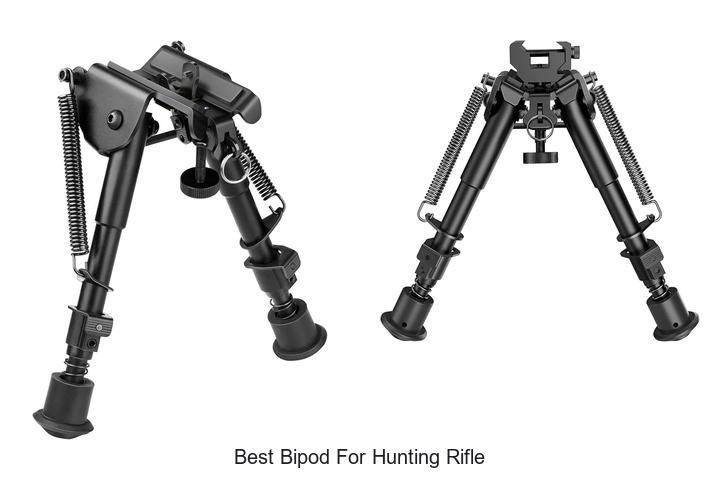
The best bipod for M1A usually features durable materials like aircraft-grade aluminum or steel, ensuring it can handle the rifle’s weight and recoil without bending. Leg length and adjustability matter a lot; a typical effective bipod offers about 6 to 9 inches of extension to match different shooting positions.
A solid attachment system that fits the M1A’s sling swivel stud or Picatinny rail tightly, combined with easy cleaning to prevent dirt buildup, makes a significant difference in long-term reliability and safety during use.
Need a Quick Check?
| Image | Product | Price |
|---|---|---|
Our Top Picks 1  | Springfield M1A M2 Bipod | Check Price |
Our Top Picks 2  | Springfield M1A Steel Bipod | Check Price |
Our Top Picks 3  | Magpul Rifle Bipod | Check Price |
Our Selected Top 12 Bipod for M1a for Every Budget
This list includes a variety of bipods designed to fit the M1A rifle, ranging from lightweight models to heavy-duty options. Each review covers how well the bipod performs, the types of shooters it suits, and highlights strengths and potential drawbacks.
1. Sprgfld M1A M2 Bipod
Springfield Armory Sprgfld M1A M2 Bipod is designed as a stable shooting support for M1A rifles, ideal for shooters wanting solid rest during precision shooting or hunting. Its biggest strength lies in providing secure attachment and consistent stability in outdoor conditions.
Attaching the bipod to an M1A feels straightforward, with a sturdy mount that fits well to the rifle’s forend. Adjusting the leg positions is simple enough, allowing quick setup for different terrain or shooting angles. The bipod’s compact design does not add much bulk, making it easy to handle and carry during extended field use.
The bipod holds the rifle steady with little wobble, helping accuracy on each shot. Build quality feels solid with durable metal parts, though some users note occasional looseness after repeated adjustments. The most frequent critique involves the bipod’s weight and bulk, which can be noticeable during long carries.
Nonetheless, its reliability during firing stands out.
The bipod handles steady shooting well and offers solid attachment to the M1A. Some users experience leg looseness after repeatedly folding and unfolding the bipod, which can affect stability. Despite this, the overall structure remains sturdy and dependable for spotting and precision shooting.
Shooters focused on stable positioning and ease of mounting will appreciate this bipod’s design. Those prioritizing ultra-lightweight gear for long-distance carries might want to explore lighter alternatives, as this bipod adds noticeable weight during extended field use.
Pros
- Fits M1A rifles securely without extra adapters
- Durable metal construction for lasting use
- Leg positions are easy to adjust on the go
- Compact size helps carry in the field
Cons
- Heavier than some lightweight bipods available
- Leg joints may loosen after extensive use
| Specification | Details |
|---|---|
| Brand Name | SPRINGFIELD ARMORY |
| Manufacturer | Springfield Armory |
| Model Number | 4325857 |
| Manufacturer Part Number | MA5015 |
| Country of Origin | China |
2. M1A Steel Adjustable Bipod
Fitting perfectly on full-size, standard M1A rifles, this bipod feels solid and dependable in hand. Designed to deliver stability in various shooting positions, it suits shooters who want a straightforward, durable attachment with adjustable height.
Its strongest point lies in reliable steel construction, offering sturdy support without being overly complicated.
Attaching it takes a few moments since it only fits the full-size M1A, avoiding compatibility issues with other versions. Adjusting length to fit the shooting angle feels smooth, letting you customize your stance for different terrains or targets. Daily use benefits from precise engineering, so the bipod reliably holds its position under typical shooting conditions without unexpected shifts or looseness.
Performance matches its build quality well, providing steady support during firing sessions. The steel frame shows durability over time, resisting wear or bends.
Precise manufacturing ensures consistent function, although some mention it can be a bit bulky compared to lighter materials. Stability remains strong, but it is restricted to full-size M1A rifles only, limiting use if you own different models.
Strong steel construction provides lasting durability and consistent stability during shooting, which is praised often. A common drawback is its limited compatibility, fitting only full-size, standard M1A rifles, which restricts flexibility for other rifle versions.
Anyone with a full-size M1A seeking a stable, adjustable bipod will find this a solid choice. Shooters with shorter or different rifle models should look for options built specifically for those firearms to avoid fit issues.
Pros
- Built from high-quality steel for long life
- Length and angle can be finely adjusted
- Precision machining ensures stable hold
- Clear marking “BIPOD RIFLE M2” for identification
Cons
- Only fits full-size M1A rifles, no smaller versions
- Heavier compared to bipods made from lighter materials
| Specification | Details |
|---|---|
| Brand Name | Linemount |
| Material | Steel |
| Fit | Full-size, standard M1A Rifles only |
| Adjustability | Length adjustable for height and angle |
| Included Components | Bipod |
3. Magpul Rifle Bipod
Magpul Rifle Bipod suits shooters wanting a lightweight, solid support for their M1A without extra bulk. Its best feature is a quick, one-handed adjustment system that works smoothly and quietly, helping keep focus on the target rather than fiddling with gear.
Setting up takes seconds since the bipod’s spring-tension legs stow forward and snap down in place with one hand. Extending legs feels secure with the push-button lock on seven half-inch intervals, making it easy to adapt for varied terrain. Controls in the center let you tilt and pan the rifle without tools, handy for aligning each shot precisely.
The bipod holds the rifle very steady thanks to a stabilizing forward tension, and strong aluminum construction balances light weight with durability. At 11 ounces, it’s lighter than many others in this class. Positive feedback focuses on how silently the bipod adjusts, but some find the limited leg extension range a bit short for very uneven ground.
Adjustments work very quietly and without fuss, allowing the shooter to stay focused rather than distracted. The locking system feels solid, but the leg extension range is moderate, which might limit use on very uneven surfaces or thick cover.
People who value lightweight gear and need fast, intuitive positioning will appreciate this bipod. Those requiring longer leg extension or extensive use on highly uneven terrain might look at other choices offering greater reach or terrain adaptation.
Pros
- Lightweight at just over 11 ounces
- Quick one-handed leg deployment and adjustments
- Tool-less central tilt and pan control knob
- Sturdy aluminum and polymer build
Cons
- Leg extension range might be too short for rough terrain
- Some users find it less stable on very soft ground
| Specification | Details |
|---|---|
| Material | Mil-Spec hard anodized 6061 T-6 aluminum and Injection-molded polymer |
| Weight | Just over 11 ounces |
| Leg Locking | Button-lock on seven half-inch spaced detents |
| Tilt Range | 50 degrees total tilt |
| Pan Range | 40 degrees total pan |
| Adjustment | Rapid one-handed |
4. CVLIFE Adjustable Picatinny Bipod

Hardened steel and aluminum form the core of this bipod, designed for shooters who want a solid and adjustable rest for their M1A rifles. Its key strength lies in the quick attachment and removal with a Picatinny adapter, fitting well with rifles equipped with a swivel stud.
Adjusting the leg length is straightforward, offering five settings to match different shooting positions or terrain. The return springs on the legs help the bipod open quickly and keep it stable when deployed. Rubber tips prevent slipping, which is handy on smooth or uneven surfaces outdoors.
Changing positions or breaking down the setup takes little time thanks to the straightforward design.
It holds the rifle steadily during firing, relying on the external springs to maintain a solid stance. The mix of steel and aluminum keeps the bipod both durable and light enough to not weigh down the rifle excessively.
Strong points mentioned include stable positioning and quick deployment. Some note the leg adjustment can feel a bit stiff at first.
Stability during shooting and quick setup receive frequent praise, ensuring a steady platform for different positions. Challenges with stiffness in adjusting the legs occur mainly during the early uses but tend to ease over time. The rubber feet work well but show wear if used extensively on rough surfaces.
This bipod suits shooters who need fast mounting and secure positioning on an M1A with minimal added weight. It may not be the best choice for those who want extremely smooth leg adjustments right out of the box or require feet that handle extended use on abrasive terrain without replacement.
Pros
- Quick attach and detach with Picatinny adapter
- Stable leg deployment with external springs
- Lightweight but durable metal build
- Non-slip rubber feet for secure positioning
Cons
- Leg adjustment is sometimes stiff initially
- Rubber feet may wear with heavy use
| Specification | Details |
|---|---|
| Brand Name | CVLIFE |
| Material | Hardened steel and aluminum |
| Leg Length Settings | 5 adjustable positions |
| Included Components | Bipod, Picatinny adapter |
| Finish | Non-rust black anodized |
5. CVLIFE Adjustable Height Bipod

Adjustable leg length stands out immediately, making this bipod a straightforward choice for shooters who want quick setup and stable support for their M1A. It suits those needing solid, versatile leg adjustments between 6 to 9 inches. Its strength lies in adapting quickly to different positions without adding much extra weight.
Setting up involves pressing a button to fully eject the legs, which snaps open smoothly thanks to built-in return springs. Adjusting the height among five settings feels simple and reliable, helping handle different shooting angles or terrain heights. Attaching it to the sling swivel stud is quick, though keep in mind the adapter is not included.
The lightweight design makes it easy to carry without feeling bulky during long days in the field.
It holds the rifle steady without noticeable wobble, thanks to its hardened steel and aluminum body with a black anodized finish that keeps rust at bay. A frequent compliment praises the strong but lightweight build.
The most common drawback is the need for an adapter to fit some swivels, which can require an extra purchase or parts. The legs lock firmly, but some mention the adjustment button requires firm pressure to operate.
The most common praise highlights the bipod’s strong and lightweight build, making it easy to carry without sacrificing stability. The leading complaint reflects the need to buy an extra adapter for some guns, which can complicate mounting for certain setups.
This bipod fits well for shooters who want quick height changes and a lightweight option that attaches directly to standard studs. Those needing compatibility with other mount types or more precise adjustment ease might prefer a different model that includes a broader adapter set or softer controls.
Pros
- Quick eject button for fast leg deployment
- Five adjustable height settings for flexibility
- Durable steel and aluminum construction
- Lightweight design suitable for long carry
Cons
- Adapter for sling swivel stud not included
- Adjustment button can require strong push
| Specification | Details |
|---|---|
| Brand Name | CVLIFE |
| Leg Length Range | 6 to 9 inches |
| Material | Hardened steel and aluminum |
| Mounting Style | Sling swivel stud (adapter not included) |
| Finish | Non-rust black anodized |
| Units per Pack | 1 |
6. Barrel Mount Clamp-On Bipod

People who want a quick and secure bipod for an M1A without adding a rail often choose the Barrel Mount Clamp-on Bipod. It fits directly onto barrels between 0.4 and 0.7 inches thick, offering a stable shooting platform without extra mounting gear.
Its main advantage is compatibility with barrels that don’t have Picatinny rails.
Setup involves clamping it onto the barrel by pressing the spring clamp open, placing it carefully with rubber pads protecting the metal, and then tightening a thumbscrew for a solid fit. The legs fold up easily for transport, and height adjustment from 6.2 to 6.7 inches helps find a comfortable shooting position when switching between standing, prone, or bench setups.
This bipod holds position well under steady shooting conditions, thanks to its rubber contact pads that keep it from slipping or scratching the barrel. The all-aluminum frame is both lightweight and sturdy, which makes it easy to carry.
Some mention that the clamp can be a little tricky to fit on barrels near the size extremes, so measuring accurately matters.
The strongest praise focuses on its secure clamp and barrel protection from rubber pads, ensuring steady support during shooting. The most frequent complaint relates to sizing; barrels close to the minimum or maximum width can challenge proper clamping, making careful measurement essential before buying.
Those with M1A rifles lacking Picatinny rails and within the specified barrel diameter will appreciate this bipod’s straightforward clamp-on design and quick leg folding. Shooters who need wider height adjustment or who have barrels outside the 0.4–0.7 inch range should look elsewhere for options offering more versatility in fit and height.
Pros
- Attaches without Picatinny rail
- Adjustable height suits various positions
- Rubber pads prevent barrel damage
- Lightweight aluminum design
Cons
- Clamp fit tight on certain barrel sizes
- Height adjustment range is limited
| Specification | Details |
|---|---|
| Barrel Diameter Compatibility | 0.4–0.7 in (11–18 mm) |
| Center Height Adjustment | 6.2–6.7 inches |
| Construction Material | Aluminum |
| Contact Surface | Rubber pads on clamp surfaces |
| Included Components | 1 × JINSE Barrel Mount Bipod |
| Manufacturer Warranty | 1 Year |
7. Magpul MOE Bipod

Stability when shooting from uneven surfaces matters a lot, especially with an M1A. The Magpul MOE Bipod suits those who want a lightweight support without complex adjustments. Its main strength lies in tipping the scale at only 8 ounces, making your rifle easier to handle during long sessions without losing steadiness.
Attaching the bipod is straightforward thanks to the rapid-attach sling stud system that fits Uncle Mike’s Sling Swivel Stud. Mounting aligns naturally with stainless steel clasps, and the thumbwheel tightens securely without much effort. Legs fold forward to stay compact, then snap out firmly when needed.
Length adjusts between 7 and 10 inches using a button on discrete locking detents.
The bipod performs well as a stable platform for shooting, holding steady under various conditions. The injection-molded design keeps weight down without sacrificing strength.
The non-marring rubber feet grip multiple surfaces effectively, though swapping them requires a punch tool. A common complaint is the limited height adjustment range, which might not suit shorter or taller setups. The build feels solid and purposeful.
Most positive feedback highlights the bipod’s light weight and quick attachment system, which makes it easy to add or remove during a day of shooting. The frequent drawback involves the height range, which may not cover all shooting positions comfortably. Rubber feet perform well but require extra effort to swap out.
Those needing a basic, lightweight bipod for standard M1A stocks will find this a practical choice. Users wanting more height flexibility or simpler foot swaps might look for models with extended leg adjustment or tool-free foot replacement systems.
Pros
- Very lightweight at 8 ounces
- Quick and secure sling stud mounting
- No tools needed for height adjustment
- Non-marring rubber feet protect the stock
Cons
- Height adjustment range is limited
- Changing rubber feet requires special punch tool
| Specification | Details |
|---|---|
| Weight | 8 ounces |
| Leg extension | 7 to 10 inches |
| Folded stack height | 1.73 inches |
| Mounting system | Rapid-attach sling stud |
| Model number | MOEBP |
8. Harris LM-1A2 Solid Base Bipod

A 22.352 cm long bipod fits well with the M1A rifle for solid support during shooting. It suits shooters who need a steady base without much fuss. The biggest strength lies in its simple, sturdy design that holds the rifle firmly in place.
Setup involves attaching the bipod quickly to your rifle using its solid base. Daily handling is straightforward because its size and weight do not add much bulk.
The compact dimensions make it easy to carry and store without extra hassle. Adjusting the bipod while in position feels secure and reliable thanks to its engineering.
This bipod performs its main job of stabilizing the rifle well. The build is solid, with quality materials typical for sporting goods. The strongest praise highlights its durability and dependable support during shooting.
The main complaint revolves around it being a basic model without advanced adjustability features others offer.
Strong points include the bipod’s firm hold and rugged build, which provide confidence during shooting sessions. The most noted downside is the absence of fine-tuning features, which some find limiting when trying to adjust shooting angles precisely.
Those focused on straightforward, no-nonsense support for their M1A will appreciate this bipod. Shooters looking for extensive adjustability or features like quick cant or pan may want to explore other models that offer those capabilities.
Pros
- Solid base for steady rifle support
- Compact size fits into rifle kit easily
- Durable construction for long use
- Quick to attach and detach
Cons
- Lacks advanced adjustment options
- Design may feel basic for some shooters
| Specification | Details |
|---|---|
| Package length | 22.352 cm |
| Package width | 8.89 cm |
| Package height | 4.064 cm |
| Brand Name | Harris Engineering |
| Model Number | LM-1A2 |
| Warranty Description | 2 Year Manufacturer |
9. UTG Recon Flex M-LOK Bipod

Shooters using AR-style rifles with M-LOK handguards find the UTG Recon Flex M-LOK Bipod suits their setup well. The main advantage is a quick, secure attachment directly to the handguard, making it ready fast without bulky adapters. It’s especially good for those wanting a lightweight and stable shooting rest.
Attaching the bipod feels straightforward thanks to its design that fits at the 3 and 9 o’clock positions on M-LOK slots. The spring-loaded slide locking ring makes deploying the legs very easy. Its light aluminum construction means it adds little weight, which helps when carrying the rifle all day.
No extra tools or components are needed, so switching between carrying and shooting modes takes seconds.
It holds the rifle steadily in place during shooting sessions, with solid build quality from aircraft-grade aluminum that resists wear. Matte black anodizing helps avoid reflections in bright conditions.
The most frequent approval comes from how quickly the bipod deploys and locks securely. Some reports mention that it only fits specific handguard positions, limiting placement options.
Deployment speed and secure locking get consistent praise for making setup smooth under field conditions. The rigid aluminum build helps keep the rifle stable but fitting only 3 and 9 o’clock M-LOK slots can restrict placement preferences on some handguards.
Hunters and target shooters who prefer a light bipod that quickly mounts to standard M-LOK slots will find it convenient and reliable. Those looking for more versatile positioning or compatibility with other mounting systems might want to consider alternative bipods offering wider attachment options.
Pros
- Fits M-LOK handguards at both sides securely
- Spring-loaded ring deploys legs quickly
- Lightweight aluminum keeps overall weight low
- Matte finish reduces reflections during use
Cons
- Limited to specific M-LOK slot positions
- No additional mounting hardware included
| Specification | Details |
|---|---|
| Attachment Type | Direct M-LOK at 3 and 9 o’clock |
| Material | Aircraft grade aluminum |
| Finish | Matte black anodize |
| Locking Mechanism | Ergonomic spring loaded slide ring |
| Included Components | Bipod |
| Model Number | TL-BPDM01 |
10. Harris 1A2-L Solid Base Bipod

Harris 1A2-L Solid Base Bipod stands out with a quick-adjust folding leg design and solid build quality tailored for shooters who need reliable stability on M1A rifles. It fits bolt-action rifles with Q.D. studs and offers a sturdy yet lightweight option for long sessions in the field or on the range, prioritizing durability and fast setup.
Setting the bipod up takes just seconds thanks to the spring-loaded folding legs and easy height adjustment. The clamp securely attaches to the stud on the rifle, including off-center studs, making it versatile for various setups.
The anodized aluminum alloy keeps it fairly light while spring steel parts handle the stresses of frequent use without wear. Sling attachment points add convenience for carrying or resting the rifle between shots.
Performance is solid with firm footing and a stable platform during shooting. The high-strength materials deliver good durability, holding position well even after many adjustments.
The spring-loaded legs make changing height smooth. Common critiques mention occasional difficulty with very tight clamping or slight looseness on certain mounts, but the overall fit tends to be secure for most bolt-action rifles that use Q.D. studs.
Strong points include the durable build and fast folding leg adjustment, which suits quick changes in shooting stance. Common issues revolve around the clamp fit, sometimes requiring careful handling to avoid slip or overtightening on certain rifle studs. The bipod performs reliably when matched with compatible mounts and rifles.
The bipod fits well for shooters needing a balance of lightness and firmness on M1A or similar bolt-action rifles with Q.D. studs. Those using rifles without this stud or requiring more precise tilt may prefer other models designed for different mounting systems or finer adjustments.
Pros
- Quick spring-loaded folding legs for fast deployment
- Lightweight but sturdy aluminum alloy construction
- Adjustment works smoothly for varying shooting positions
- Includes sling attachment provision
Cons
- Clamp can be too tight or loose on some mounts
- Limited to rifles with Q.D. stud attachment
| Specification | Details |
|---|---|
| Brand Name | Harris Engineering |
| Manufacturer | Sportsman Supply |
| Material | High strength anodized aluminum alloy, tempered spring steel |
| Model Number | 1A2-L |
| Attachment Type | Clamps to Q.D. stud, off-center stud adjustment |
11. Carbon Fiber Rifle Bipod with M Lock

XAegis Carbon Fiber Rifle Bipod with M Lock suits shooters needing lightweight support without sacrificing stability. It stands out for its reduced front-end weight, making it easier to carry during long hunting trips or range sessions.
The quick detach M lock system lets you switch and secure the bipod fast, saving time in the field.
Setting it up involves attaching either to the sling stud or directly with the M Rail base using a thumbscrew. Leg length can adjust independently from 6 to 9 inches in five notched increments, allowing you to adapt to uneven terrain or bench positions easily.
The rapid spring deployment lets you open or fold the legs quickly. Rubber feet keep the bipod steady on slippery or rough surfaces, while the fold-flat design means packing it away is simple.
Stability is solid thanks to hardened steel reinforcements at stress points combined with aircraft-grade aluminum and carbon fiber construction. The lightweight material helps reduce fatigue during long carries. The strongest compliment is how firmly it stays in place under recoil, maintaining accuracy with minimal wobble.
Some reports mention the leg locking mechanism could feel a bit stiff at first adjustment but loosens over time with use.
Firm hold under recoil is a clear strength, helping steady shots consistently. The stiffness on initial leg adjustment stands out as a drawback, though it tends to ease after some use. Folding legs compactly for storage works well, and the quick detach system is effective during fast setups.
Shooting enthusiasts looking for a lightweight bipod that adapts well to uneven ground will find this model practical. Those who prefer tool-free setup or softer locking mechanisms might want to explore other options. It fits well with hunters and precision shooters who need dependable stability without adding heavy front weight.
Pros
- Lightweight carbon fiber reduces front-end weight
- Quick attach/detach M Lock adapter with thumbscrew
- Adjustable legs from 6 to 9 inches independently
- Non-slip rubber feet for stability on various surfaces
Cons
- Leg locking mechanism can be initially stiff
- Requires hex wrench for assembly
| Specification | Details |
|---|---|
| Material | High-density carbon fiber, aircraft-grade aluminum alloy, hardened steel |
| Height Adjustment | 6 to 9 inches, five notched locking positions |
| Mount Type | Quick detach M Lock adapter and direct sling stud mount |
| Feet | Non-slip textured rubber |
| Included Components | Bipod, bipod adapter, hex wrench for assembly |
| Warranty | 1 year manufacturer warranty |
12. Feyachi Tactical Bipod with Mount Adapter

Feels solid and easy to manage during a long shooting session, the Feyachi Tactical Bipod fits well for shooters wanting a reliable, adjustable support for their M1A rifle. Its biggest strength lies in the quick deployment system that saves time when switching from carry to steady shooting.
Setting it up involves attaching the rail mount adapter or barrel clamp depending on your rifle setup. The extendable spring-loaded legs adjust promptly with lockable collars, allowing you to change height smoothly while maintaining a firm stance.
Rubber feet provide stable contact with various surfaces without slipping.
Aluminum construction offers a good balance of lightweight and durability to hold steady without shaking. The quick detachable lever lock lets you remove or attach the bipod rapidly. Well-built but the one-month warranty period might feel short.
Some find the legs’ spring tension slightly stiff on first use.
Quick deployment and sturdy build receive praise for saving time and providing stable shooting support. Stiffness in leg adjustment springs is the most noted inconvenience, especially until the bipod sees some use. The included mounting options are valued for adapting to different setups but the short warranty raises some hesitation.
Shooters who want fast setup and solid construction on an aluminum bipod will appreciate this model. It serves well for those focused on adjustable leg height and secure mounting. Choose an alternative if longer warranty coverage or softer leg tension is a priority for your shooting routine.
Pros
- Lightweight but strong aluminum build
- Quick detachable mount for fast changes
- Spring-powered legs with secure locking
- Includes versatile rail adapter and barrel clamp
Cons
- Leg spring tension can feel stiff initially
- Short warranty period of only one month
| Specification | Details |
|---|---|
| Material | High-tech Aluminum |
| Included Components | Rail Mount Adapter, Barrel Clamp |
| Adjustability | Spring Powered Extendable Legs with Lockable Collar |
| Model Number | Feyachi5010_VC |
| Warranty | 1 month refund & replacement |
Comparison of Best Bipods for M1A
| Product | Brand | Mount Type | Included Components | Warranty |
|---|---|---|---|---|
| Springfield M1A M2 Bipod | SPRINGFIELD ARMORY | Unknown | Bipod | – |
| Springfield M1A Steel Bipod | Linemount | Unknown | Bipod | – |
| Magpul Rifle Bipod | Magpul | M-LOK | Magpul Bipod | – |
| CVLIFE Picatinny Bipod | CVLIFE | Sling Stud + Picatinny | Bipod, Picatinny adapter | – |
| CVLIFE Adjustable Bipod | CVLIFE | Sling Stud | Bipod | – |
| Barrel Mount Clamp Bipod | JINSE | Barrel Mount Clamp | Barrel Mount Bipod | 1 Year |
| Magpul MOE Bipod | Magpul | Unknown | Bipod | – |
| Harris LM-1A2 Bipod | Harris Engineering | Unknown | Product | 2 Year |
| UTG Recon M-LOK Bipod | UTG | M-LOK | Bipod | Limited Lifetime |
| Harris 1A2-L Bipod | Harris Engineering | Unknown | Bipod | See Manufacturer |
| Carbon Fiber M-LOK Bipod | xaegistac | M-LOK | Bipod, Bipod Adapter | 1 Year |
| Feyachi Tactical Bipod | Feyachi | Rail Mount + Barrel Clamp | Riflebipod + Adapters | 1 Month Refund & Replacement |
- BrandSPRINGFIELD ARMORY
- Mount TypeUnknown
- Included ComponentsBipod
- Warranty–
- BrandLinemount
- Mount TypeUnknown
- Included ComponentsBipod
- Warranty–
- BrandMagpul
- Mount TypeM-LOK
- Included ComponentsMagpul Bipod
- Warranty–
- BrandCVLIFE
- Mount TypeSling Stud + Picatinny
- Included ComponentsBipod, Picatinny adapter
- Warranty–
- BrandCVLIFE
- Mount TypeSling Stud
- Included ComponentsBipod
- Warranty–
- BrandJINSE
- Mount TypeBarrel Mount Clamp
- Included ComponentsBarrel Mount Bipod
- Warranty1 Year
- BrandMagpul
- Mount TypeUnknown
- Included ComponentsBipod
- Warranty–
- BrandHarris Engineering
- Mount TypeUnknown
- Included ComponentsProduct
- Warranty2 Year
- BrandUTG
- Mount TypeM-LOK
- Included ComponentsBipod
- WarrantyLimited Lifetime
- BrandHarris Engineering
- Mount TypeUnknown
- Included ComponentsBipod
- WarrantySee Manufacturer
- Brandxaegistac
- Mount TypeM-LOK
- Included ComponentsBipod, Bipod Adapter
- Warranty1 Year
- BrandFeyachi
- Mount TypeRail Mount + Barrel Clamp
- Included ComponentsRiflebipod + Adapters
- Warranty1 Month Refund & Replacement
How to Choose the Right Bipod for M1A
Consider weight, height adjustability, and mounting compatibility to fit the M1A rifle and shooting style. Choosing the right material and stability features helps avoid frequent replacements and improves shooting comfort, saving time and money over extended use.
Compatibility and Mounting
Mounting options play a major role in how stable and reliable the bipod is for use with an M1A. Some models attach directly to the sling swivel stud, which can be convenient but often lacks the rigidity needed for long shooting sessions.
Others use a Picatinny rail mount, offering a tighter, more secure fit and less wobble. Failure to match the mounting system correctly leads to excessive movement and frustration during aiming. Checking the diameter and type of sling swivel or rail spacing is crucial, most M1A variants have standard sling swivel sizes around 1/2 inch, and rails usually adhere to MIL-STD-1913.
Adjustability also matters beyond just mounting. The bipod needs to accommodate slightly different stock shapes and lengths, especially if you use aftermarket parts or accessories. Some bipods come with adjustable feet for different terrain, while others offer height increments typically ranging from 6 to 9 inches.
Quick detach systems add the benefit of easy removal for transport without tools, while fixed mounts excel in stability but can be a bit more fiddly to handle in the field. Choosing between these depends on your workflow, but solid locking mechanisms and corrosion-resistant materials like aircraft-grade aluminum help maintain consistent performance.
Build Materials and Durability
After a few trips and exposure to rain and mud, the difference in build quality becomes clear. Models made from corrosion-resistant metals like anodized aluminum or stainless steel stand up well against rust and wear.
Lower-quality bipods often show signs of corrosion at the joints or adjustment mechanisms, which makes them stiff or unreliable. A durable finish extends the life of the bipod without requiring constant cleaning or delicate handling.
Strength plays a big role in stability and recoil management. A bipod rated to withstand heavy recoil feels solid with every shot, preventing wobble or shifting.
Look for units that use materials known for toughness and test against recoil forces common to powerful rifles. Weight distribution matters, too. The bipod should add enough mass to stay steady without making the rifle front-heavy and tiring to carry.
A well-balanced product typically weighs between 12 and 20 ounces, allowing for easier setup and less fatigue during long sessions.
Height Adjustability and Range
Adjusting the height on the fly matters more than expected, especially on uneven ground. Some bipods have stiff or jerky leg extensions that make quick setup frustrating and can throw off your shot.
The smoothness of the extension mechanism directly affects how fast you get stable and ready. Models with flick-open legs or lever locks typically offer a blend of speed and precision. Range-wise, a good bipod will cover about 5 to 9 inches of adjustable height, which suits most common shooting positions from prone to bench rest.
A reliable locking system is critical. When under recoil, any slippage or movement can ruin your zero and detract from accuracy. Solid lock mechanisms keep the legs firmly in place for consistent shots.
Look for bipods with sturdy metal components or reinforced polymer locks that resist wear and maintain tension over time. Stable support on rough terrain depends on the angle and grip of the feet, too, but without firm height locks, stability falls apart fast.
Stability and Grip
Pulling off accurate shots on uneven or slippery terrain quickly reveals the importance of leg design and foot type. Thin metal feet can easily slip on wet or rocky ground, causing frustrating shifts at critical moments. Models that feature broader, rubberized, or spiked feet offer noticeably better traction.
The best options maintain stability on grass, mud, and gravel without digging in too deep or losing grip. Look for feet around 1 to 1.5 inches wide for solid contact, sometimes with interchangeable tips to adapt to conditions.
Resistance to wobbling under repeated recoil is another factor that shows up after a few shots. Inexpensive bipods often develop play at leg joints or flicker side to side, forcing you to constantly reset your aim. Solid locking mechanisms with steel or reinforced aluminum parts make a clear difference here.
Adjustability with multiple leg angles broadens shooting positions from kneeling to prone. Angles around 30, 45, and 90 degrees let you fine-tune balance while keeping the rifle steady throughout the day.
Ease of Use and Portability
Attaching or removing the support is often a hurried task in the field where seconds count. A sturdy locking mechanism that can be operated quickly without tools makes a noticeable difference.
Some models require screwing parts tightly by hand, which slows the setup and can get frustrating under pressure. Look for designs with quick-release levers or spring-loaded locks, as they save valuable time and prevent stripping threads. Many reliable options weigh around 12 to 18 ounces, striking a balance between durability and ease of handling.
Compactness plays a pivotal role when transporting gear. Bipods that fold neatly under the barrel or collapse to under 9 inches slip easily into rifle cases or backpacks. Bulky setups not only add weight but make storage awkward, especially in tight spaces.
Checking for materials like aircraft-grade aluminum offers strength without adding excessive bulk. Periodic maintenance mostly involves cleaning debris from moving parts and lightly oiling pivots and springs to avoid stiffness.
Skipping this leads to wobbling or sticking joints after exposure to dirt or moisture.
Optimizing Stability: Proper Deployment and Positioning Techniques for M1A Bipods
Deploying the bipod correctly on an M1A rifle significantly improves shooting stability. Start by ensuring the bipod legs are fully extended and locked at the right length for your shooting position, typically between 6 to 9 inches for seated or prone stances.
Adjust the legs individually to accommodate uneven terrain, which helps maintain a level shooting platform.
Position the rifle so that the bipod rests firmly on a solid, flat surface. Avoid soft ground that can cause sinking or instability.
Place your weight slightly behind the rifle to counter recoil, without pressing down on the bipod itself. Keep the rifle barrel as low and parallel to the ground as possible to reduce sway.
Key tips for steady setup:
- Check bipod attachment points for tightness every time you mount it on the rifle.
- Use a sling or cheek weld to steady your upper body while shooting.
- Clear debris from the bipod feet to prevent slipping on smooth surfaces.
Comparing Bipods vs. Shooting Sticks: Which Is Better for the M1A?
Stability is crucial when shooting an M1A, and both bipods and shooting sticks serve this purpose differently. A bipod attaches directly to the rifle’s front sling swivel or a rail, providing a steady two-point support that is rigid and consistent.
This setup works well for bench shooting or prone positions where you can rest the rifle on a solid surface.
Shooting sticks, on the other hand, are separate supports used under the forearm or barrel. They offer more versatility since you can adjust the height and position easily, making them useful when shooting from uneven terrain or standing upright. However, they require both hands to manage and may not be as stable as a fixed bipod in certain scenarios.
Consider these points:
- Bipods reduce arm fatigue by supporting the rifle’s weight directly.
- Shooting sticks provide flexible height adjustments and portability.
- Bipods are ideal for steady, long-duration shooting sessions.
- Shooting sticks work better for dynamic environments or varied shooting positions.
Your choice depends on where and how you plan to shoot the M1A most often, balancing stability needs with maneuverability.
Maintaining Your Bipod: Cleaning and Storage Tips for Longevity
Regular cleaning prevents dirt buildup that can affect your bipod’s stability and adjustment mechanisms. After each use, wipe down metal parts with a lightly oiled cloth to remove dust, sweat, and debris. Use a soft brush to clean hard-to-reach areas, especially around the legs’ joints and pivot points.
Check screws and fasteners occasionally to keep them tight but avoid over-tightening, which can damage threads. For storage, always collapse the bipod fully to reduce stress on the springs and locks. Store it in a dry place to prevent rust; a padded case or a dedicated compartment in your gear bag works well.
Helpful tips for cleaning and storage:
- Remove dirt promptly after outdoor use to avoid corrosion.
- Apply a thin layer of lubricant to moving parts quarterly.
- Keep your bipod away from extreme temperatures to maintain material integrity.
- Use a dust cover or cloth bag when not in use to protect surfaces.
People Also Asked
How Do I Properly Size a Bipod for My M1A?
Choose a bipod with adjustable leg lengths that fit the rifle’s barrel length and your shooting position. Having a range of about 6 to 9 inches works well for M1A setups in prone or bench shooting. Check the mounting style to ensure it attaches securely to your rifle’s sling swivel stud or rail.
What Are Common Problems with Bipods on M1A Rifles?
One common problem is wobble or looseness at the attachment point, affecting stability when aiming. This usually happens if the bipod’s mounting system doesn’t match the rifle’s stud properly. Tighten screws firmly but avoid overtightening to prevent stripping threads.
Is This Bipod Compatible with All M1A Models?
Most bipods designed for the M1A are compatible with standard models using sling swivel stud mounts, but specialized or older versions might require adapters. Verify the mounting method aligns with your rifle’s current setup before buying.
How Should I Clean and Care for My M1A Bipod?
Clean the bipod by wiping off dirt and debris with a soft cloth after each use, especially after exposure to moisture or dirt. Lubricate pivot points lightly with gun oil to keep the legs moving smoothly without attracting grime.
How Long Does a Typical M1A Bipod Last with Regular Use?
Typical bipods last several years under normal shooting conditions, depending on build quality and maintenance. Frequent exposure to rough terrain or moisture may require more regular upkeep to avoid rust and wear.
Conclusion
Choosing the right bipod for an M1A comes down to a few key points. Stability and secure attachment matter most since the rifle is heavy and powerful. Look for adjustable legs that let you set height easily and keep the rifle steady on different surfaces.
Durability is important too, especially if you plan to use it outdoors or in rough conditions.
Consider where you’ll use the bipod and how often. A rugged model might suit regular field use, while a simpler option works fine for casual shooting at the range. Budget also plays a role since prices can vary widely.
Review the comparison table and the details above to pick the one that fits your setup and preferences best.