Top 12 Best Value Insulated Jacket Deals You Can Get Today
Struggling with a cheap insulated jacket means dealing with cold spots where the filling shifts or clumps, wet patches that soak through quickly, and bulky layers that restrict movement. A best value insulated jacket avoids these issues by balancing warmth, durability, and price. It’s what you grab on chilly mornings before heading out, knowing it’ll hold up without draining your budget.
Key factors that separate a solid insulated jacket from a poor one are the insulation type, shell material, and fit. Down insulation with a fill power of 600 or more offers excellent warmth-to-weight ratio, while synthetic insulation performs better when wet.
A water-resistant or waterproof shell with a tight weave (around 10-15 denier) helps block wind and moisture. Fit should allow layering without being tight, ensuring comfort during various activities. Choosing a jacket with a durable, easy-to-clean fabric is essential for long-term use.
Need a Quick Check?
| Image | Product | Price |
|---|---|---|
Our Top Picks 1  | Carhartt Yukon Jacket | Check Price |
Our Top Picks 2 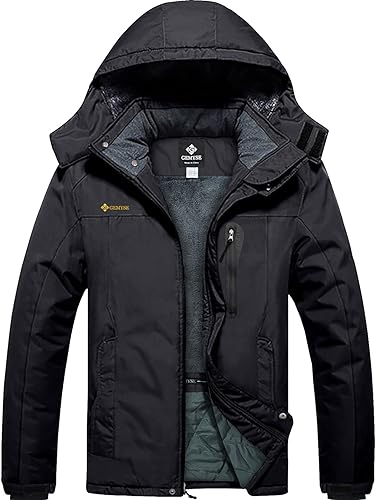 | GEMYSE Ski Jacket | Check Price |
Our Top Picks 3  | FREE SOLDIER Softshell | Check Price |
Our Selected Top 12 Value Insulated Jacket Worth Considering
This list includes insulated jackets that offer good warmth without excess weight or bulk. Each review explains how the jacket performs in different conditions, who it fits best, and points out both the strengths and possible drawbacks to help in making a practical choice.
1. Carhartt Yukon Extremes Insulated Jacket
Carhartt Yukon Extremes Insulated Jacket suits those needing dependable cold weather protection with a loose fit. Its biggest strength is keeping warmth without feeling too tight, making it handy for active work or casual use in spring or early summer cold spells.
Putting it on is straightforward thanks to its band collar and long sleeves. The loose fit provides room for layering underneath, and its solid black color resists showing dirt from daily wear. The anorak style helps block wind, a practical choice for variable cold weather conditions.
It won’t restrict movement during physical tasks.
Warmth holds up well in chilly weather, supported by its insulated construction. The fabric feels sturdy enough to handle rough use, but the loose fit means it can catch on objects occasionally. The strongest praise centers on its warmth, while a frequent complaint is the bulkiness when layered under heavier coats.
Warmth during cold spring days ranks highest in praise. Despite insulation, the jacket’s bulkiness causes inconvenience when adding thicker layers for colder weather. Movement is comfortable but some find the loose cut prone to getting caught in branches or tools while working outdoors.
Individuals who need a warm, comfortable jacket with room for layers will appreciate this coat. Those searching for a slimmer, packable jacket for colder conditions might want to explore more fitted options better suited for heavier winter gear layering.
Pros
- Loose fit allows layering underneath
- Band collar blocks wind effectively
- Durable fabric suitable for work use
- Solid black hides dirt well
Cons
- Loose fit can catch on objects
- Bulkiness limits layering under heavier coats
| Specification | Details |
|---|---|
| Color | Black |
| Style | Yukon Extremes Loose Fit Insulated Active Jac |
| Sleeve Type | Long Sleeve |
| Coat Silhouette Type | Anorak |
| Seasons | Spring/Summer |
| Fit Type | Loose |
2. GEMYSE Mens Ski Jacket
Wearing it feels solid and reliable, suited for anyone needing a warm winter jacket that handles cold conditions without fuss. The biggest strength lies in its straightforward design that keeps you warm without any extra bulk or flashy features.
Putting the jacket on is simple thanks to the band collar and long sleeves that cover well against wind. Its anorak silhouette fits overall without feeling tight, making it easy to layer under or over. The solid black color makes it practical for everyday use, and the material stands up well to regular wear in cold weather.
The jacket does a good job keeping out the cold with its winter climate suitability. It is made with a classic style and band collar that hold shape over time.
A common praise is how well it retains heat, while a frequent drawback is that some find the fit a bit roomy for slimmer frames.
The jacket is praised for its warmth and simple, effective cold protection. A common complaint focuses on its overall fit, which may be bulky or loose for those who prefer a slim silhouette.
People who want a basic, cozy winter jacket without fancy extras will like this one. Those needing a more tailored fit or additional functional pockets might look for a different option.
Pros
- Warm enough for cold winter climates
- Classic style fits easily with most outfits
- Long sleeves fully cover arms
- Solid black color hides dirt well
Cons
- Fit can feel roomy for some body types
- Lacks extra features like adjustable cuffs or pockets
| Specification | Details |
|---|---|
| Color | Black |
| Style | Classic |
| Sleeve Type | Long Sleeve |
| Coat Silhouette | Anorak |
| Seasons | Winter |
| Collar Style | Band |
3. FREE SOLDIER Mens Waterproof Softshell Jacket
Perfect for cold weather sports enthusiasts, the FREE SOLDIER Mens Waterproof Softshell Jacket offers a fitted, hooded anorak style with reliable waterproofing. Its biggest strength lies in keeping you dry and comfortable during winter outdoor activities without being bulky.
Putting it on is straightforward thanks to the fitted cut and band collar that sits snugly around your neck. The hood adds extra protection from wind and rain. Long sleeves keep the cold out, making it good for all winter days.
Solid black color helps in pairing with various outfits, while it feels well-suited for moving around actively outdoors.
The jacket handles cold, wet conditions well, with waterproof material that keeps rain off your body. Its softshell fabric provides enough warmth for hiking or casual sports. Build quality appears sturdy, but some note the fit runs quite tight, limiting layering options.
The hood offers useful coverage yet might feel a bit restricting over a helmet or hat.
Waterproof qualities combine well with the breathable softshell build to manage cold winter sports. The most common drawback is the close fit, which some find limits layering options and freedom of movement during intense activities.
A good pick for those seeking a compact, dry jacket for outdoor sports in cold, wet conditions without extra bulk. People needing looser fits or more room for heavy layers might want to explore other insulated jackets designed more for layering flexibility.
Pros
- Waterproof material keeps rain out effectively
- Fitted style reduces bulk but provides warmth
- Hooded design adds extra protection from elements
- Simple solid color pairs easily with gear
Cons
- Fit may be too tight for layering underneath
- Hood can feel restrictive with hats or helmets
| Specification | Details |
|---|---|
| Color | Black |
| Style | Hooded |
| Sleeve Type | Long Sleeve |
| Coat Silhouette Type | Anorak |
| Climate Suitability | Cold Weather |
| Fit Type | Fitted |
4. MAGCOMSEN Mens Water Resistant Fleece Jacket

Soft fleece makes for a warm and water-resistant jacket aimed at cold winter days. It fits those who need solid insulation with a straightforward style.
Its biggest strength is the practicality of staying warm and dry in mild wet conditions.
Putting it on feels comfortable due to its regular fit and spread collar. Long sleeves cover well for chilly weather and movement stays unrestricted.
Setting it up just means slipping it over your clothes before heading out. The water-resistant fabric graces light rain or snow fairly well, making daily wear less worrying around unpredictable weather.
Keeping warmth while resisting water defines the jacket’s main role. The military coat silhouette adds a no-frills look and functional design.
A key advantage lies in the fleece material, making the jacket breathable yet warm. Some say the water resistance can struggle in heavy rain and that the fit might feel loose for slimmer builds.
Praises often focus on how the jacket keeps warmth while resisting light moisture well. The most frequent complaint relates to the water resistance not holding up in heavier rain and sometimes the fit feeling loose or bulky.
The jacket suits those seeking acceptable warmth with modest water resistance during winter. People wanting a trim, closely fitting jacket or needing protection from heavy rain might want to look for different options.
Pros
- Water-resistant fleece warmth for winter
- Regular fit accommodates layering comfortably
- Spread collar helps block wind
- Military coat style offers practical wear
Cons
- Not fully waterproof, struggles in heavy rain
- Fit can feel bulky on slimmer frames
| Specification | Details |
|---|---|
| Color | Black |
| Style | Military Coat |
| Sleeve Type | Long Sleeve |
| Coat Silhouette Type | Rain Coat |
| Seasons | Winter |
| Fit Type | Regular |
| Collar Style | Spread |
5. 33,000ft Mens Lightweight Softshell Jacket

Black color and a slim fit make 33,000ft Mens Lightweight Softshell Jacket stand out in cold weather gear. It works well for someone who wants light layering with decent insulation during fall, winter, or spring.
Its biggest strength is balancing warmth and a modern anorak style without feeling bulky.
Wearing it daily is straightforward thanks to the band collar that offers neck coverage without extra fuss. The long sleeves and slim fit help block cold air while letting you move freely. The jacket’s lightweight construction means it’s easy to carry or layer under heavier coats, which comes in handy in changing weather.
Performance-wise, this jacket handles cold weather well, making it suitable for casual outdoor use. Its softshell fabric feels sturdy against wind but stays flexible. Some praise its warmth considering the light weight, yet complaints mention limited breathability during high activity or wet conditions.
Stitching and zippers hold up under regular wear.
The jacket earns praise mainly for providing warmth without bulk, fitting close to the body while still allowing good arm movement. Most common issues point to breathability limits, especially during high-exertion activities, and mild discomfort if exposed to wet conditions due to the fabric’s moderate water resistance.
Those who want a slim insulated jacket for everyday cold weather wear in dry or mildly humid environments will find this an appropriate choice. It may not be ideal for extended outdoor workouts or wet weather users who need waterproof protection or higher airflow for intense exertion.
Pros
- Lightweight yet warm for cold weather
- Slim fit allows easy layering
- Sturdy softshell fabric resists wind
- Simple band collar protects neck
Cons
- Limited breathability during intense activity
- May not repel heavy rain well
| Specification | Details |
|---|---|
| Color | Black |
| Fit Type | Slim |
| Coat Silhouette Type | Anorak |
| Seasons | Fall, Spring, Winter |
| Collar Style | Band |
| Climate Suitability | Cold Weather |
6. ZITY Mens Sherpa Lined Insulated Jacket

Warmth and casual style stand out in the ZITY Mens Sherpa Lined Insulated Jacket, making it suitable for those needing reliable cold weather protection without extra bulk. Its biggest strength is the thick sherpa lining, which holds up well through fall, spring, and winter days.
Putting it on feels cozy immediately thanks to the sherpa inside. The long sleeves and quilted design keep cold out effectively.
Zipping up is straightforward, and the solid black color fits easily with casual outfits. It doesn’t feel heavy, so wearing it for daily errands or commutes requires no extra effort.
Designed for cold weather, this jacket performs well at insulation but lacks specialized waterproofing. Its quilted silhouette offers decent durability, resisting wear during regular use.
One highlight from feedback is the warmth it provides even when cold wind blows. A common issue mentioned is the fit running a bit large, which could affect layering underneath.
Warmth stands out as the strongest point, especially from the sherpa lining that keeps cold out on chillier days. Some find the jacket oversized, impacting how it layers with other clothing. This sizing detail appears frequently and affects user comfort depending on their preference for fit.
The jacket will suit those who want a casual warm layer for daily wear during cold months. It may not work well for people seeking protection from rain or intense wind due to lack of water-resistance and windproof features. Those needing a trim fit might want to consider alternate sizing or models.
Pros
- Thick sherpa lining for solid warmth
- Casual black color fits many outfits
- Quilted design adds extra insulation
- Comfortable long sleeves for cold
Cons
- Fit can be larger than expected
- No waterproof or windproof features
| Specification | Details |
|---|---|
| Color | Black |
| Style | Casual |
| Sleeve Type | Long Sleeve |
| Coat Silhouette Type | Quilted |
| Seasons | Fall, Spring, Winter |
| Climate Suitability | Cold Weather |
7. TACVASEN Mens Waterproof Ski Jacket

Cold weather demands a jacket that keeps you dry and warm without heavy bulk. Perfect for winter activities like skiing or daily wear in snowy conditions, this jacket offers waterproof protection and classic fit for comfort.
Its biggest strength is keeping moisture out while still feeling breathable enough for active use.
Putting the jacket on is straightforward with its hooded anorak style that sits well over layers. The long sleeves provide good coverage and the solid black color fits casual or sporty looks. It handles winter climes well by blocking cold air and rain or snow equally.
The fit allows free movement but keeps the jacket close enough to trap body heat on cold days.
Waterproofing meets the job as promised, keeping heavy snow and rain off effectively. Constructed as a classic raincoat style, it feels sturdy but not stiff.
The main praise comes from its reliable cold weather protection. A common complaint is that the classic fit might feel a bit loose for those preferring a slimmer silhouette.
Waterproof abilities stand out as reliable in wet and snowy weather, making it useful for skiing or daily winter use. Some find the fit too loose for tightly tailored looks, which may affect layering comfort. The jacket balances protection and mobility through its classic anorak style and simple design.
People who want a straightforward, waterproof winter jacket with room for layering will appreciate this. Those needing a close-fitting jacket or with advanced ventilation needs might prefer exploring other options with a slimmer fit or more technical features. Suitable for casual winter activities and moderate snowfall conditions.
Pros
- Effective waterproofing for wet winter conditions
- Classic fit allows comfortable layering
- Hooded collar protects neck and head well
- Solid black color fits casual or ski wear
Cons
- Fit can feel loose for slim preferences
- Lacks detailed ventilation options
| Specification | Details |
|---|---|
| Color | #215 Black |
| Style | Raincoat |
| Sleeve Type | Long Sleeve |
| Coat Silhouette Type | Anorak |
| Seasons | Winter |
| Fit Type | Classic |
| Collar Style | Hooded |
| Climate Suitability | Cold Weather |
8. Carhartt Washed Duck Active Jacket

Black color and loose fit make the Carhartt Washed Duck Active Jacket suitable for cold weather in fall. It suits someone who wants a durable, warm anorak-style jacket for daily use. Its biggest strength is staying warm without feeling too restrictive.
Setting up the jacket is simple since it has long sleeves and a band collar that keeps heat in. The loose fit allows layering over sweaters or hoodies comfortably.
Daily use involves easy movement thanks to the active design. Solid black pattern matches various outfits, and the washed duck fabric feels sturdy but comfortable enough to wear throughout a typical fall day.
The jacket keeps you warm well in chilly weather as intended. Its construction is solid with durable materials that handle rough daily wear. The warm lining holds up against wind, but some say the fit can be a bit bulky for tighter activities.
Zippers and seams hold up to regular wear without issues, reinforcing its value.
Warmth and durability receive the most praise with the fabric standing up to heavy use. The loose fit can feel bulky in situations that demand more agility or close-fitting clothes. The jacket holds warmth well due to its anorak style and long sleeves but isn’t designed for extremely cold weather or winter months.
A good pick for anyone wanting a tough, warm jacket for cold fall weather and casual outdoor use. Those who prefer a slim fit or need lighter outerwear for multiple seasons might want to consider other styles. The simple design suits everyday wear but lacks features for extreme weather or active sports.
Pros
- Durable fabric handles wear well
- Loose fit allows comfortable layering
- Band collar retains warmth effectively
- Simple solid black, easy to match
Cons
- Fit feels bulky for some activities
- Limited to fall season use
| Specification | Details |
|---|---|
| Color | Black |
| Style | Washed Duck Active Jac |
| Sleeve Type | Long Sleeve |
| Coat Silhouette Type | Anorak |
| Seasons | Fall |
| Fit Type | Loose |
| Climate Suitability | Cold Weather |
9. CANADA WEATHER GEAR Mens Puffer Jacket

Black color and casual style make this jacket a practical choice for men who need warm outerwear in cold fall and winter weather. Its biggest strength is staying warm without extra bulk, making it easy to wear daily around town or on light outdoor trips.
Setting it up is simple since it is ready to go out of the package. The long sleeves cover the arms fully, keeping cold drafts out.
Solid pattern keeps it looking clean with no fuss. Wearing it day to day doesn’t require constant adjustment, and it fits easily under most coats or over shirts, perfect for layering.
The jacket holds warmth well in cold weather, which is its main purpose. Build quality feels solid with materials that resist cold air effectively.
Strongest praise highlights its warmth and good fit. The most common complaint centers on limited color options and some find it not very breathable for more active use.
Warmth and fit stand out positively, with users appreciating that it does job expected for cold fall and winter days. Complaints focus on the single color choice and fabric breathability, which can make it less comfortable during extended activity outdoors.
Anyone needing reliable warmth for casual, everyday use in cold weather will find it suitable. Those planning intense physical activities or wanting more color options may want to look at other jackets with breathable fabrics or more style variety.
Pros
- Keeps warmth well in cold weather
- Simple black, pairs with many outfits
- Long sleeves provide full arm coverage
- Lightweight for an insulated jacket
Cons
- Only available in black color
- Not very breathable during high activity
| Specification | Details |
|---|---|
| Color | Black |
| Style | Casual |
| Sleeve Type | Long Sleeve |
| Seasons | Fall, Winter |
| Climate Suitability | Cold Weather |
10. SPORT-TEK Unisex Insulated Jacket

Black insulated jackets suited for outdoor activities in cold weather stand out for balancing warmth and simplicity. The SPORT-TEK Unisex Insulated Jacket fits those who need reliable insulation without extra bulk.
Its biggest strength is maintaining warmth through a modern design that stays practical for fall and winter use.
Putting the jacket on and adjusting it is straightforward thanks to the band collar that stops cold air from creeping in. Long sleeves cover the arms fully, and the solid black style matches various outfits. Daily use involves light layering under or over depending on temperature changes during outdoor activities.
The jacket feels comfortable and easy to handle across different tasks.
The insulation does well in keeping cold out during winter days, making the jacket useful for extended outdoor exposure. The modern construction focuses on durability, but some find the fit a bit stiff initially. Most praise comes from its warmth and classic look, while the common critique points to limited stretch in the sleeve area during active movement.
Warmth ranks highest in praise since the jacket holds cold at bay during outdoor activities in fall and winter. The most frequent complaint involves restricted arm mobility caused by the long sleeves that do not stretch enough, which may feel confining in more vigorous movement.
Those needing steady insulation for casual outdoor exposure will find this jacket suitable. People seeking more flexibility or a breathable jacket during active sports may want to consider other options with added stretch or ventilation features.
Pros
- Reliable insulation for cold conditions
- Band collar reduces wind intrusion
- Simple black design pairs widely
- Durable outer material resists wear
Cons
- Limited stretch restricts arm movement
- Fit may feel stiff at first
| Specification | Details |
|---|---|
| Color | Black |
| Style | Modern |
| Sleeve Type | Long Sleeve |
| Seasons | Fall, Winter |
| Climate Suitability | Cold Weather |
| Collar Style | Band |
11. Columbia Tipton Peak III Insulated Jacket

Columbia Tipton Peak III Insulated Jacket offers solid warmth and comfort for cold fall days. Suited for casual outdoor wear, it keeps you comfortable without feeling bulky.
Its biggest strength lies in maintaining warmth while fitting into your everyday look with a regular fit and simple design.
Putting it on is straightforward thanks to its round collar and anorak silhouette. The long sleeves help keep cold air out.
This jacket works well for layering or wearing alone during fall chill. The solid black color fits easily with most casual outfits. Regular fit means it isn’t too tight or loose, supporting comfort throughout daily activities.
Performance meets expectations for keeping cold air at bay during fall. The insulation provides adequate warmth but not meant for extreme cold weather.
The coat silhouette balances style and function. One common praise is how comfortably the jacket fits without being bulky. Some find the insulation insufficient in colder climates beyond typical fall weather.
Warmth stands out as the jacket’s key strong suit for typical cold fall days, with many noticing it fits comfortably without bulk. The main drawback reported is the insufficient insulation when temperatures drop below mild cold conditions. This makes it less suitable for harsher winters.
Great choice for those wanting casual warmth in fall with a fit that is neither tight nor loose. Avoid if you expect to face freezing weather or need heavier insulation for outdoor activities in colder seasons. It performs best in moderate cold situations where style and comfort matter most.
Pros
- Maintains warmth without bulk
- Regular fit comfortable for daily wear
- Simple design works with casual outfits
- Long sleeves help block cold air
Cons
- Insulation not enough for very cold weather
- Limited use outside fall and mild cold
| Specification | Details |
|---|---|
| Color | Black |
| Style | Tipton Peak III Insulated Jacket |
| Sleeve Type | Long Sleeve |
| Coat Silhouette Type | Anorak |
| Season | Fall |
| Fit Type | Regular |
| Collar Style | Round |
| Climate Suitability | Cold Weather |
| Occasion | Casual |
12. Mens Thermal Insulated Winter Jacket

Navy blue and suited for cold weather, the Mens Thermal Insulated Winter Jacket fits those who spend lots of time outdoors in fall and winter. Its main advantage is warmth combined with a classic fit, making it versatile for daily wear as well as outdoor activities.
Putting on the jacket feels cozy thanks to the hooded collar that blocks out wind. The anorak style keeps things simple, without bulk. The long sleeves and colorblock design give it a straightforward look suitable for hiking, skiing, or travel.
It feels balanced enough to wear all day without overheating inside.
It delivers solid insulation suited for cold weather and holds up well to regular outdoor use. The build quality supports active wear with no signs of quick wear or tearing.
One of the best features noted is how well it retains heat, though some feel the fit might be a bit too classic and loose for slimmer frames.
The jacket is praised most for retaining heat well during cold outdoor activities, providing consistent warmth throughout the day. Common complaints focus on the fit being somewhat loose, which may not suit those who prefer a more tailored silhouette. The hood effectively blocks the wind but could be better adjusted for size variability.
People who want a reliable, warm jacket for winter hikes or daily wear will appreciate its comfort and insulation. Those seeking a slim or fashion-forward fit might look elsewhere. The single color option means styling flexibility is limited, but the practical design works well for anyone prioritizing warmth and ease of use in cold weather.
Pros
- Warm insulation suited for cold weather
- Classic fit works for casual and activity wear
- Hood blocks wind on chilly days
- Colorblock design offers understated style
Cons
- Fit may feel loose for slim body types
- Limited color choice with only navy blue
| Specification | Details |
|---|---|
| Color | Navy Blue |
| Style | Outdoor Performance |
| Fit Type | Classic |
| Climate Suitability | Cold Weather |
| Collar Style | Hooded |
| Seasons | Fall, Winter |
Best Value Insulated Jackets Comparison Table
| Product | Style | Seasons | Fit Type | Climate Suitability |
|---|---|---|---|---|
| Carhartt Yukon Jacket | Yukon Extremes Loose Fit | Spring/Summer | Loose | Cold Weather |
| GEMYSE Ski Jacket | Classic | Winter | Overall | Cold Weather |
| FREE SOLDIER Softshell | Hooded | Winter | Fitted | Cold Weather |
| MAGCOMSEN Fleece Jacket | Military Coat | Winter | Regular | – |
| 33,000ft Softshell | Modern | Fall, Spring, Winter | Slim | Cold Weather |
| ZITY Sherpa Jacket | Casual | Fall, Spring, Winter | – | Cold Weather |
| TACVASEN Ski Jacket | Raincoat | Winter | Classic | Cold Weather |
| Carhartt Washed Duck | Washed Duck Active Jac | Fall | Loose | Cold Weather |
| CANADA WEATHER Puffer | Casual | Fall, Winter | – | Cold Weather |
| SPORT-TEK Insulated | Modern | Fall, Winter | – | Cold Weather |
| Columbia Tipton Peak | Tipton Peak III Insulated | Fall | Regular | Cold Weather |
| Mens Thermal Jacket | Outdoor Performance | Fall, Winter | Classic | Cold Weather |
- StyleYukon Extremes Loose Fit
- SeasonsSpring/Summer
- Fit TypeLoose
- Climate SuitabilityCold Weather
- StyleClassic
- SeasonsWinter
- Fit TypeOverall
- Climate SuitabilityCold Weather
- StyleHooded
- SeasonsWinter
- Fit TypeFitted
- Climate SuitabilityCold Weather
- StyleMilitary Coat
- SeasonsWinter
- Fit TypeRegular
- Climate Suitability–
- StyleModern
- SeasonsFall, Spring, Winter
- Fit TypeSlim
- Climate SuitabilityCold Weather
- StyleCasual
- SeasonsFall, Spring, Winter
- Fit Type–
- Climate SuitabilityCold Weather
- StyleRaincoat
- SeasonsWinter
- Fit TypeClassic
- Climate SuitabilityCold Weather
- StyleWashed Duck Active Jac
- SeasonsFall
- Fit TypeLoose
- Climate SuitabilityCold Weather
- StyleCasual
- SeasonsFall, Winter
- Fit Type–
- Climate SuitabilityCold Weather
- StyleModern
- SeasonsFall, Winter
- Fit Type–
- Climate SuitabilityCold Weather
- StyleTipton Peak III Insulated
- SeasonsFall
- Fit TypeRegular
- Climate SuitabilityCold Weather
- StyleOutdoor Performance
- SeasonsFall, Winter
- Fit TypeClassic
- Climate SuitabilityCold Weather
How to Choose the Right Insulated Jacket
Look for insulation type, jacket weight, and durability since these affect warmth and how long the jacket lasts. Choosing the right fit and weather resistance helps prevent extra layers or early replacement, saving money and hassle over time.
Insulation Quality
Wearing a jacket that loses its warmth after a morning commute in wet weather is frustrating. Jackets filled with synthetic insulation, typically polyester fibers, handle moisture better than down. Synthetic keeps its loft and warmth even after compression or exposure to damp conditions.
Down insulation offers an excellent warmth-to-weight ratio, especially with fill powers above 600, making it lighter and more compressible for packing. However, its warmth drops significantly when wet unless treated with a water-resistant coating.
Understanding fill weight and loft retention matters on a daily basis. A jacket weighing around 150 grams of down with 700 fill power usually retains heat well during cold, dry days, fitting neatly into a backpack. On the other hand, thicker synthetic jackets can weigh 250 grams or more but maintain insulation loft when squeezed or damp, making them better for unpredictable weather.
Checking how the insulation performs after being packed or rained on can save you from freezing or overheating on outdoor activities.
Fit and Comfort
Juggling layers beneath a jacket can quickly become uncomfortable without the right fit. Trying to squeeze into a jacket that’s just a bit too tight limits your movement and leads to overheating during activity. Look for options that offer a bit of extra room around the chest and arms, usually labeled as athletic or relaxed cuts, so you can comfortably wear a fleece or long-sleeve shirt underneath without feeling restricted.
Sizes commonly range from XS to XXL, but checking detailed size charts and reviews helps avoid guessing, especially if you have broader shoulders or a longer torso.
Adjustable features like hems, cuffs, and collars make a tangible difference in keeping warmth sealed inside. A drawcord hem stops chilly air from creeping up, while Velcro or elastic cuffs prevent sleeve openings from gapping during movement.
Some jackets even have collar toggles or chin guards that protect the neck without feeling tight. These details might seem minor until you’ve had a cold wind sneak in and ruin the comfort of your day outside.
Durability and Materials
After carrying a jacket through rugged trails and tight spots against rocks or branches, the difference in fabric quality becomes obvious. A higher denier count, typically around 40D to 70D for outer shell fabrics, means better abrasion resistance.
This prevents tears and scuffs that quickly wear down cheaper, lighter materials. Polyester and nylon blends with a durable water repellent (DWR) finish provide a solid balance of weather protection and toughness. Without these, the jacket soaks through quickly in drizzle, or the fabric thins and weakens within months of regular use.
Seams and zippers also play a big role long term. Reinforced or taped seams reduce the chance of water leaking in on sustained wet days.
Durable coil zippers with decent pulls resist snagging and breaking better than cheap plastic ones. Breathability ratings, such as 5,000 to 10,000 g/m²/24h, ensure moisture from sweat escapes so you don’t end up clammy after moderate activity. Good construction here means the jacket lasts multiple seasons, maintains comfort, and keeps gear dry even on damp or windy outings.
Weight and Packability
The overall weight of this type of jacket makes a big difference in real-life scenarios. For instance, wearing a bulky jacket on a mild day or carrying it in a daypack during a long hike can become uncomfortable quickly. Jackets around 10 to 14 ounces work well for active use in cool but not freezing conditions, while heavier jackets over 18 ounces suit colder, less strenuous settings.
Choosing the right weight means not struggling with unnecessary bulk or sacrificing warmth when it counts.
Packability also impacts daily use, especially for travelers or those layering in variable climates. Jackets that compress into their own pocket or come with a dedicated stuff sack cut down to a fist-sized bundle are easiest to stash without weighing down bags. Nylon shells with synthetic insulation usually compress better than down in wet conditions, and a compression sack with adjustable straps can reduce volume significantly.
A handy feature is a built-in pocket that doubles as a compression sack, eliminating the need for extra gear and simplifying storage and travel.
Functionality and Features
Carrying essentials without fumbling is a common challenge. Jackets with just one or two small pockets quickly become frustrating, especially when you need quick access to a phone or gloves while hiking or commuting. Look for models offering at least three pockets, including one or two zipped chest or handwarmer types.
Pockets lined with soft fabric prevent screen scratches, and placements near the waist or chest keep items secure and accessible even when layering. This practical setup saves time and avoids discomfort during cold weather use.
The hood’s design affects how well it handles wind and rain during outdoor activities. Adjustable drawcords around the hood and hem let you tighten the fit, blocking cold gusts or snow.
Some jackets include a wired brim to keep the hood in place without restricting your vision. Ventilation options like pit zips or mesh-lined pockets offer breathable airflow, preventing overheating during active use. Compatibility with helmets or backpacks also matters for versatile wear in different conditions.
How to Maximize Warmth and Comfort When Wearing Insulated Jackets
Layering plays a crucial role in getting the most out of an insulated jacket. Wearing a moisture-wicking base layer helps keep sweat away from your skin, preventing chills during activity. Adding a thin fleece or wool mid-layer traps additional heat before your insulated jacket goes on top.
Fit also impacts warmth and comfort significantly. An insulated jacket that’s too tight compresses the insulation, reducing its effectiveness. At the same time, too much room lets cold air circulate inside.
Aim for a fit that allows some movement without leaving excess space.
Pay attention to features designed to cut heat loss:
- Adjustable cuffs and hems seal out drafts.
- High collars protect the neck from cold wind.
- Storm flaps over zippers stop chilly air from seeping through.
Finally, store the jacket properly when not in use. Hanging it up maintains loft better than cramming it into a tight space.
Essential Maintenance Tips to Extend the Lifespan of Your Insulated Jacket
Washing your insulated jacket only when necessary helps maintain its insulation integrity and water-repellent finish. Overwashing can break down the fibers and reduce warmth.
Use a gentle cycle with cold water and a detergent specifically designed for technical fabrics or down products.
Drying plays a crucial role. Tumble dry the jacket on low heat with a couple of clean tennis balls or dryer balls to help restore loft and prevent clumping of insulation.
Avoid direct sunlight and high heat sources, which can damage the synthetic fibers or down fill.
Here are some quick tips to keep your insulated jacket in good shape:
- Store the jacket loosely in a cool, dry place instead of compressing it tightly.
- Spot clean small stains promptly to avoid unnecessary full washes.
- Reapply a durable water repellent (DWR) finish after several washes to maintain water resistance.
Comparing Insulated Jackets to Alternative Outerwear for Different Outdoor Activities
Insulated jackets provide a specific combination of warmth and weight that sets them apart from other types of outerwear. Unlike heavy winter coats, insulated jackets often use synthetic or down fill to trap heat efficiently without adding bulk.
This makes them ideal for activities where mobility matters, such as hiking or trail running in cold weather.
Compared to rain shells or softshell jackets, insulated jackets offer better temperature retention but usually lack breathability and water resistance, making them less suitable for wet conditions or vigorous movement. On the other hand, rain shells excel at keeping you dry but do little to keep you warm on their own without layering underneath.
- For cold, dry conditions, an insulated jacket can replace multiple layers, simplifying your gear setup.
- In wet or highly active situations, pairing an insulated jacket with a waterproof shell allows you to adjust for varying weather and activity levels.
- For casual daily wear in chilly urban environments, insulated jackets strike a good balance between comfort and style.
People Also Asked
How Do I Properly Wash and Care for an Insulated Jacket?
Use a gentle cycle with cold water and a mild detergent when washing an insulated jacket. Avoid fabric softeners as they can reduce the jacket’s insulation ability. Air drying is preferable, but tumble dry on low with clean tennis balls to keep the insulation fluffy.
What Size Insulated Jacket Should I Choose for Layering?
Select a jacket size that allows for at least one thin layer underneath without feeling tight. Having a bit of extra room makes it easier to add or remove layers as temperatures change. Trying it on with a base layer and a light mid-layer helps determine the best fit.
Are Insulated Jackets Safe for Extreme Cold Weather Conditions?
Insulated jackets can be suitable for cold weather but may fall short in extreme conditions without additional protection. Pay attention to the jacket’s insulation type and weight, and consider combining it with outer shells designed for wind and moisture resistance for very low temperatures.
How Long Do Insulated Jackets Typically Last with Regular Use?
Insulated jackets generally last about three to five years with regular use, depending on the quality and care. Signs to replace include flattened insulation or damaged fabric. Regular cleaning and proper storage away from damp or direct sunlight help extend their life.
What Common Problems Should I Look Out for in Insulated Jackets?
Watch for issues like insulation clumping, zipper failures, and seam leaks in insulated jackets. These problems affect warmth and durability. Inspect the lining and outer fabric regularly, and repair small tears or broken zippers promptly to keep the jacket functional.
Conclusion
Look for insulation that balances warmth and weight without pushing the price too high. Pay attention to the jacket’s durability, especially the fabric and stitching, since that affects how long it lasts.
Fit matters too, since a jacket that’s too tight or too loose won’t keep you comfortable or properly insulated.
Choose a jacket that matches how often you’ll wear it and where you plan to use it, often extra features add cost but aren’t necessary for casual wear. Take another look at the comparison table and the picks above to find the jacket that fits your budget and needs best.